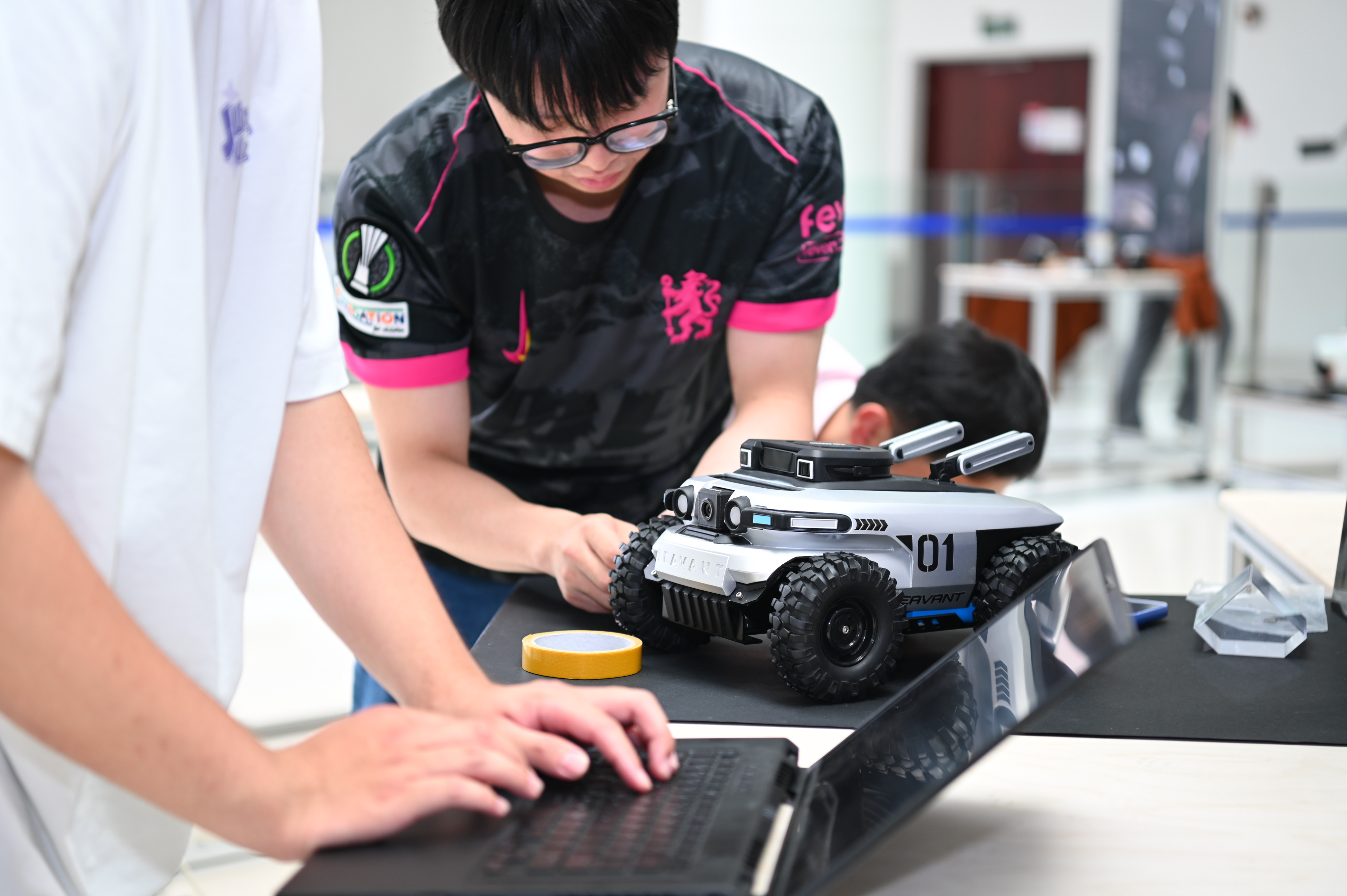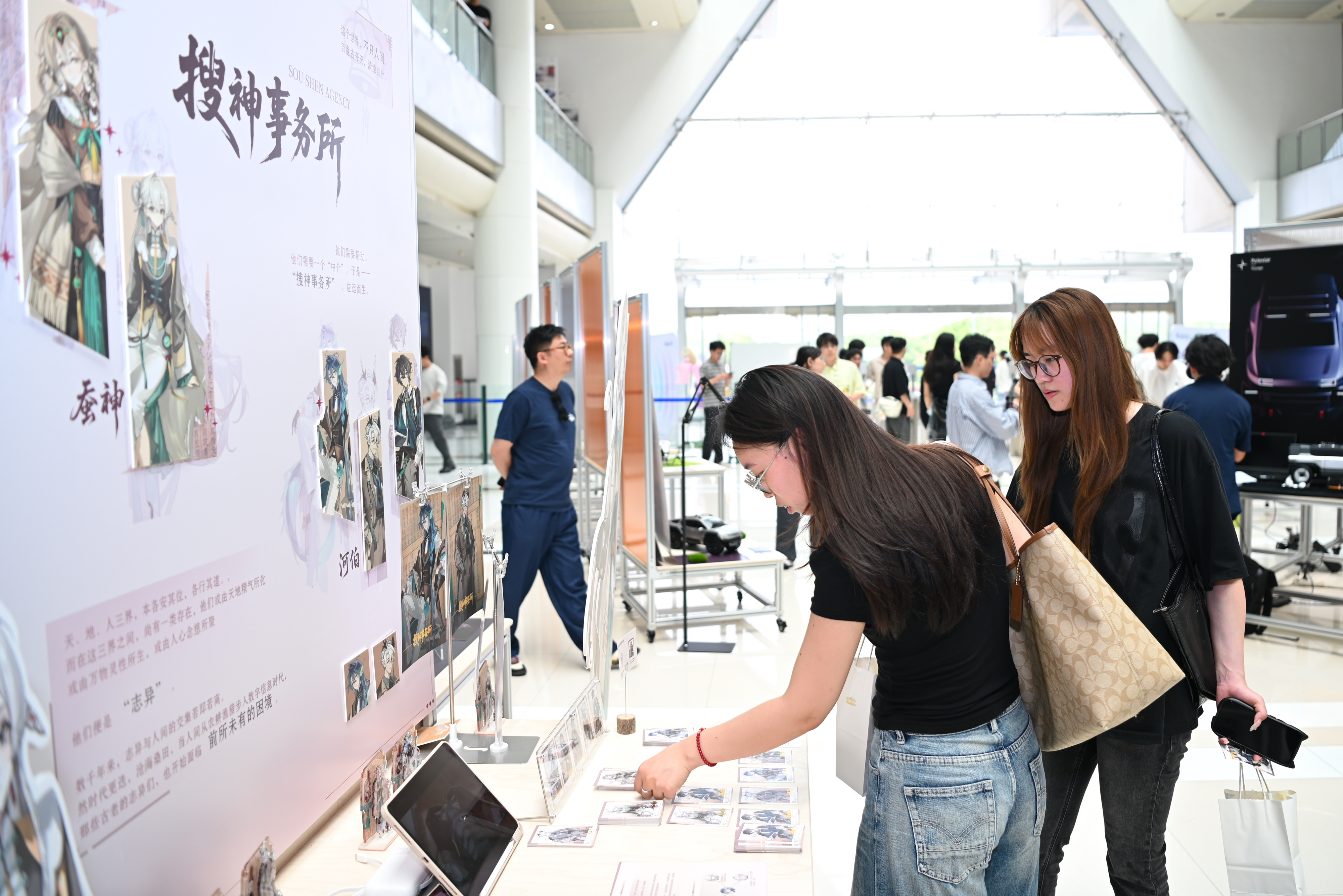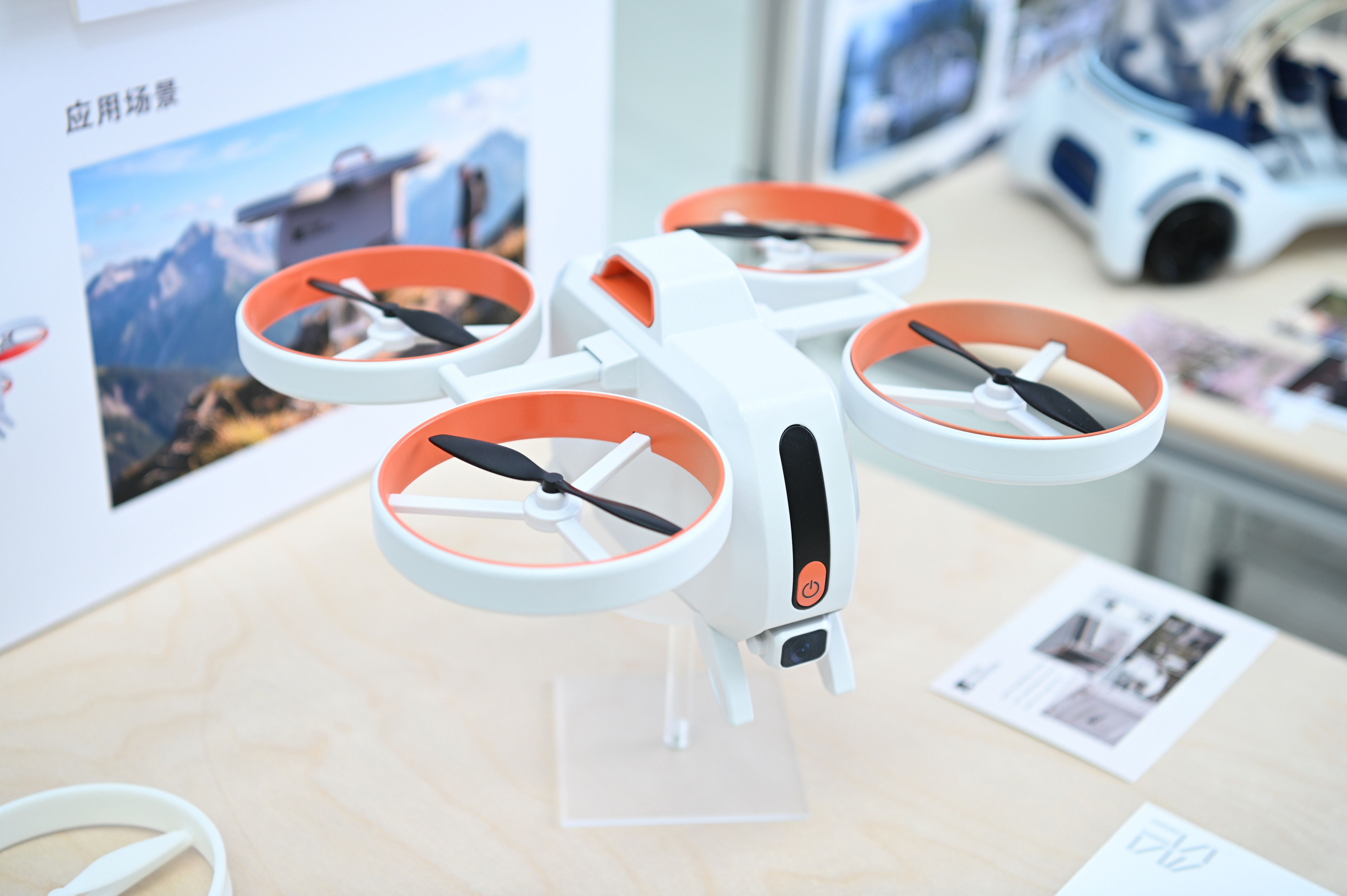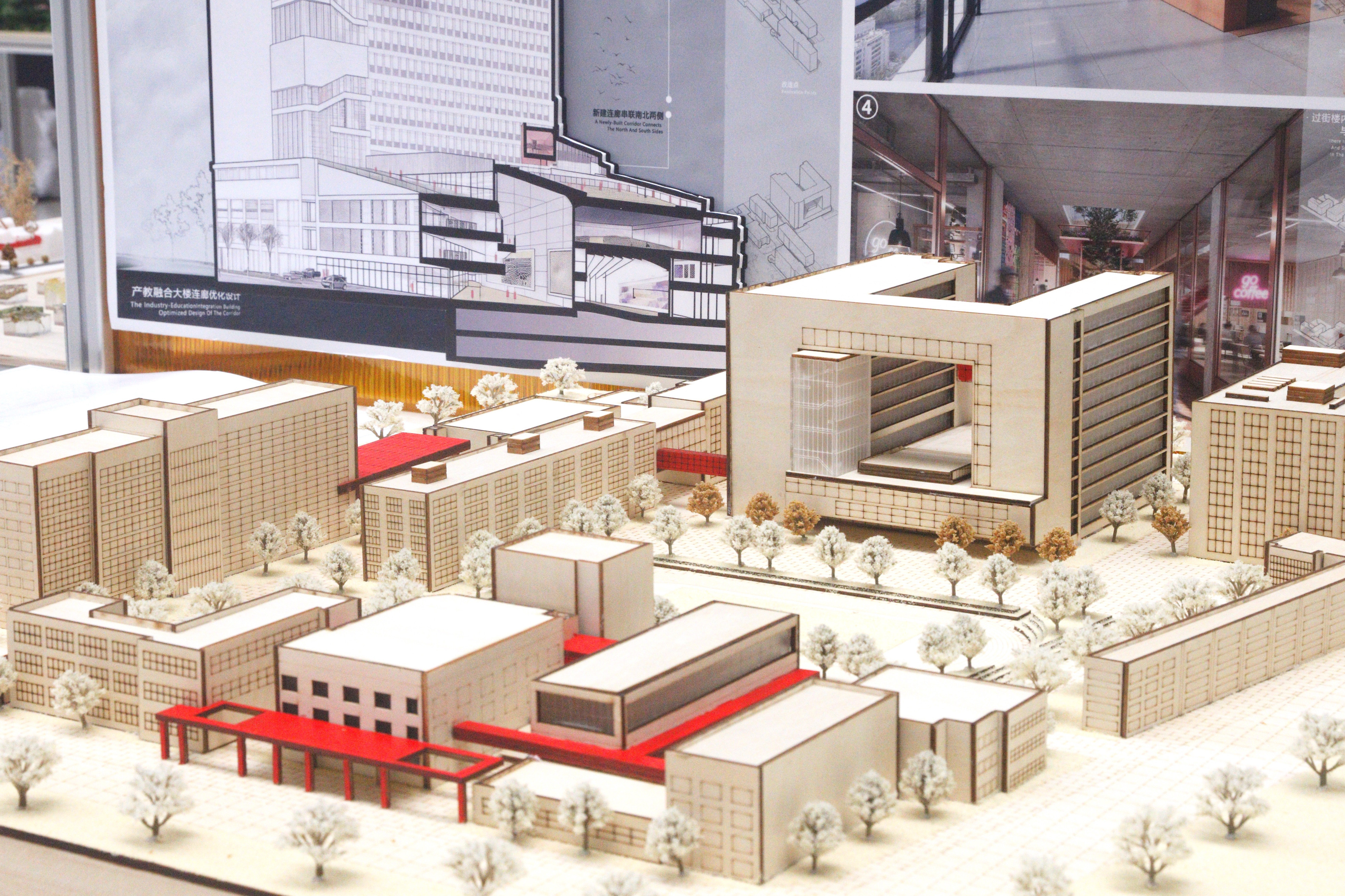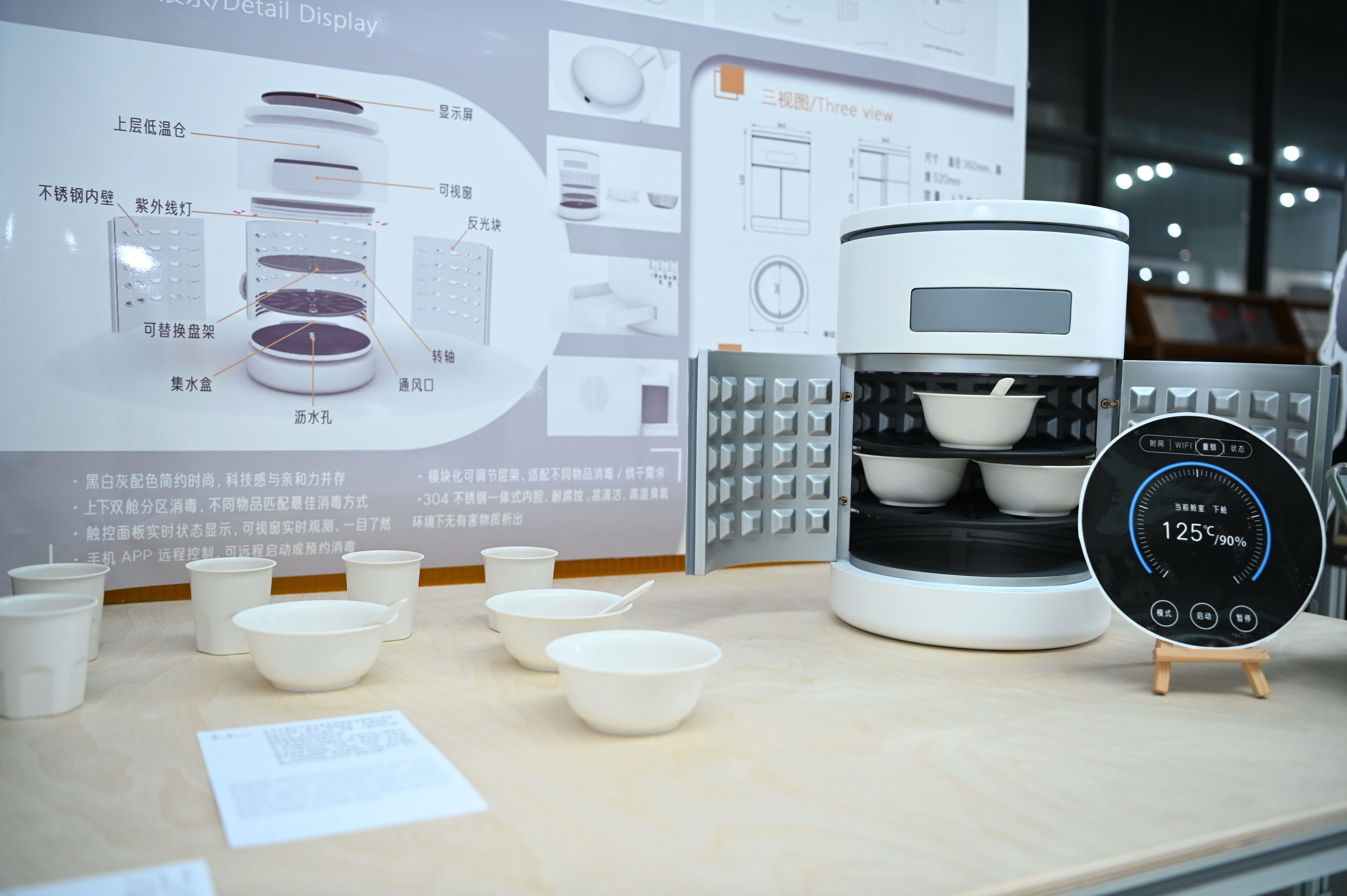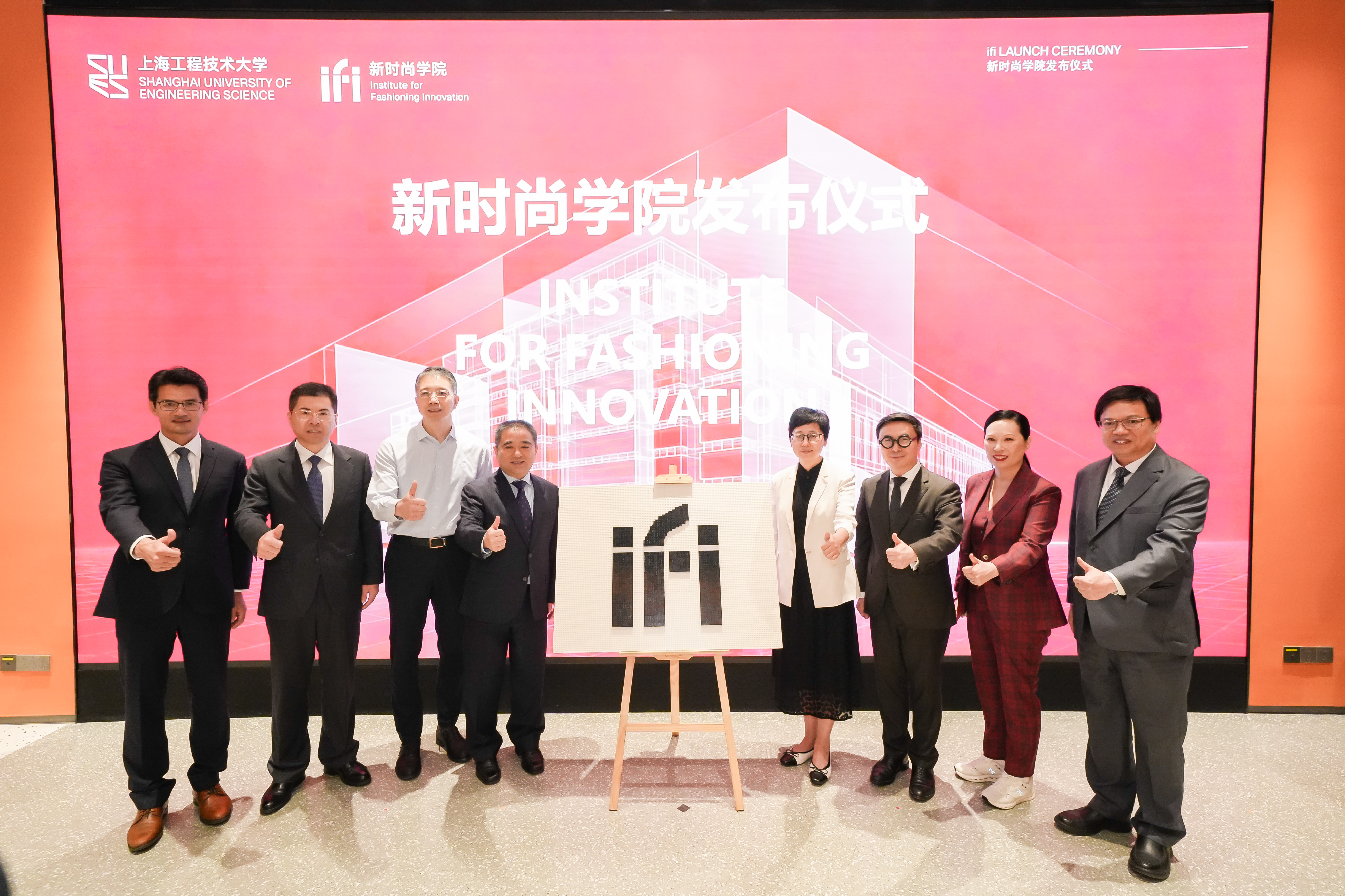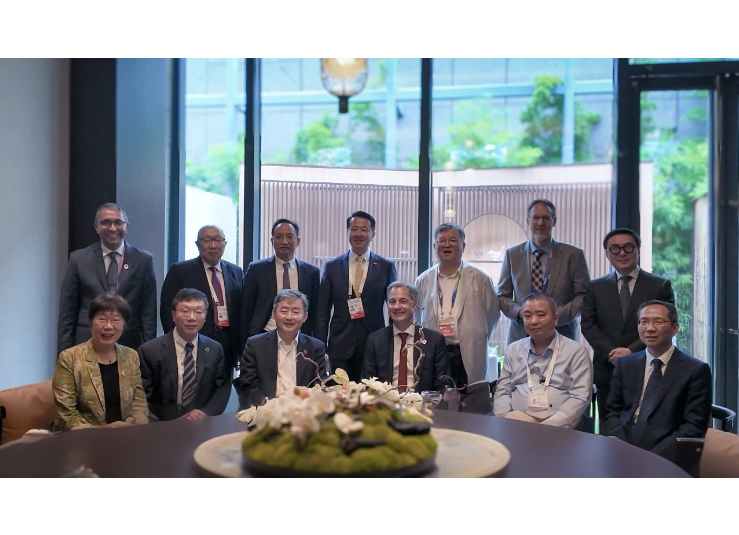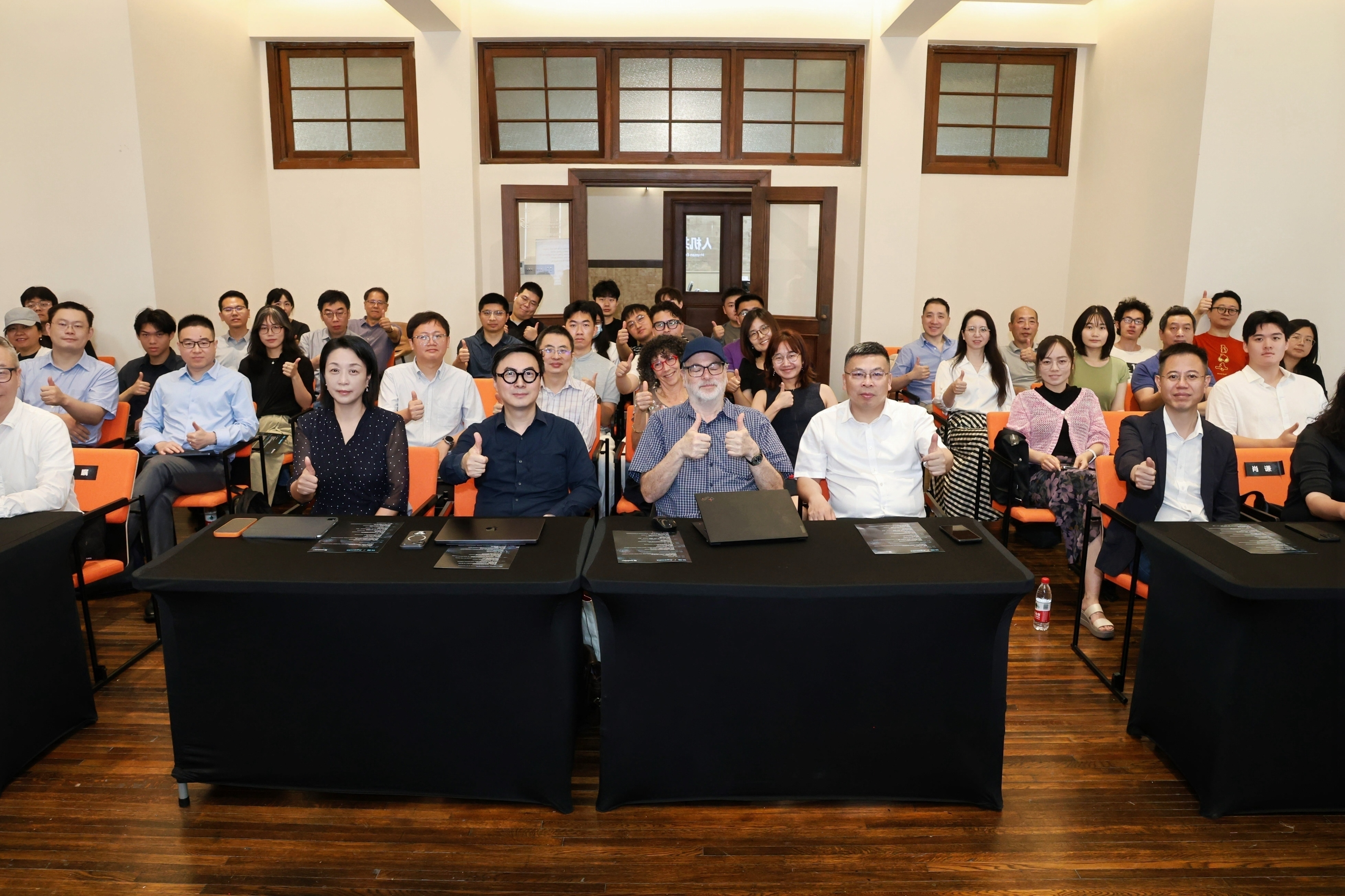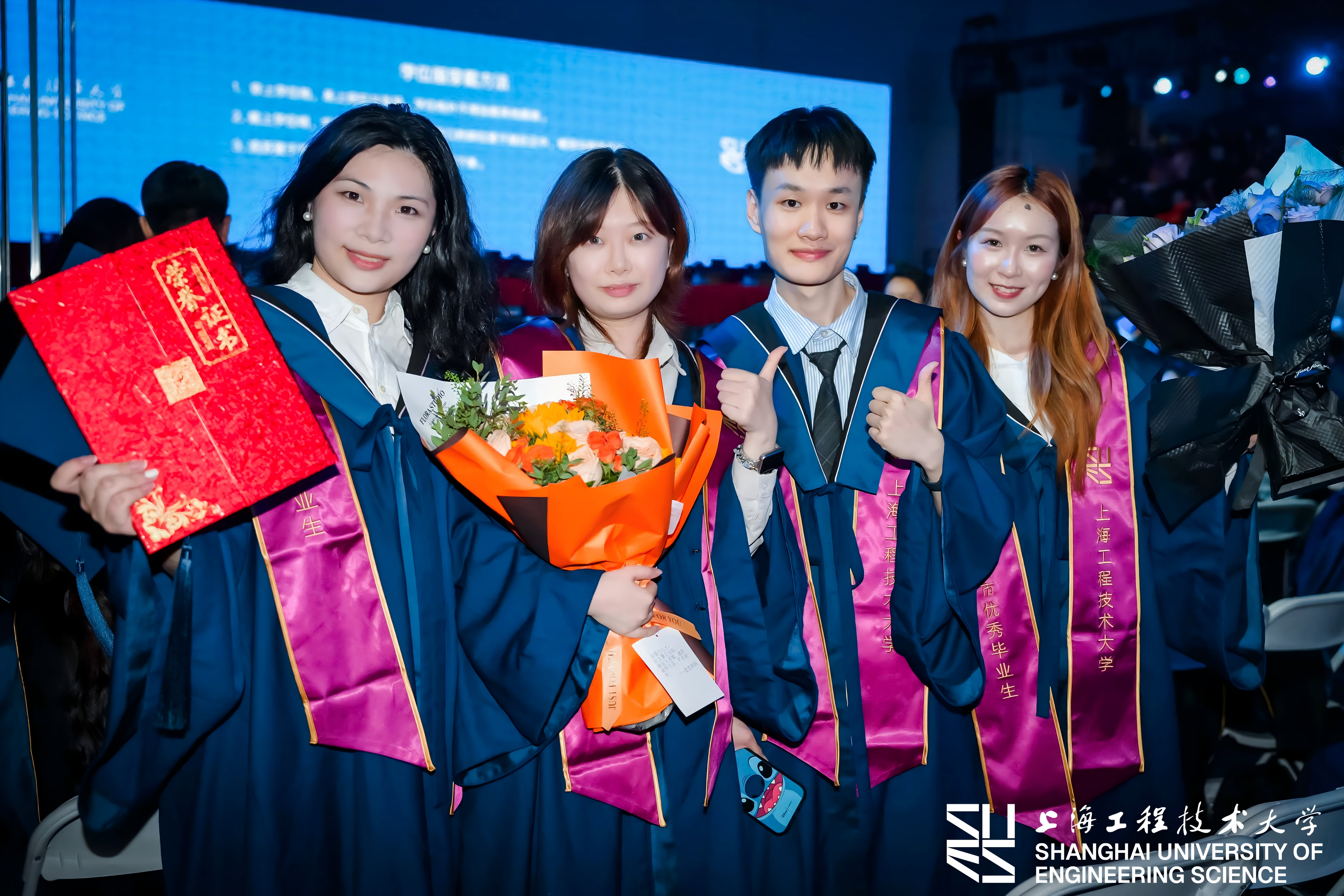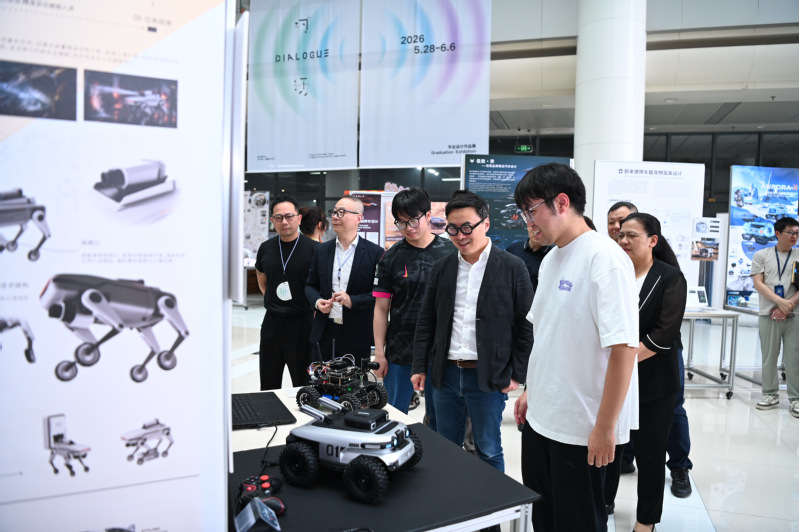
On May 28, School of Design (in preparation) opened its 2026 Graduation Design Exhibition, Dialogue, on Songjiang Campus. Showcasing the creativity and professional competence of graduating design students, the exhibition uses design as a bridge to foster in-depth dialogue among academia, industry, and society. President Lou Yongqi, university administrators, leaders from related schools and offices, industry and alumni representatives, parents representatives, faculty members, and students gathered to celebrate this milestone event that highlights the energy and creativity of a new generation of designers.
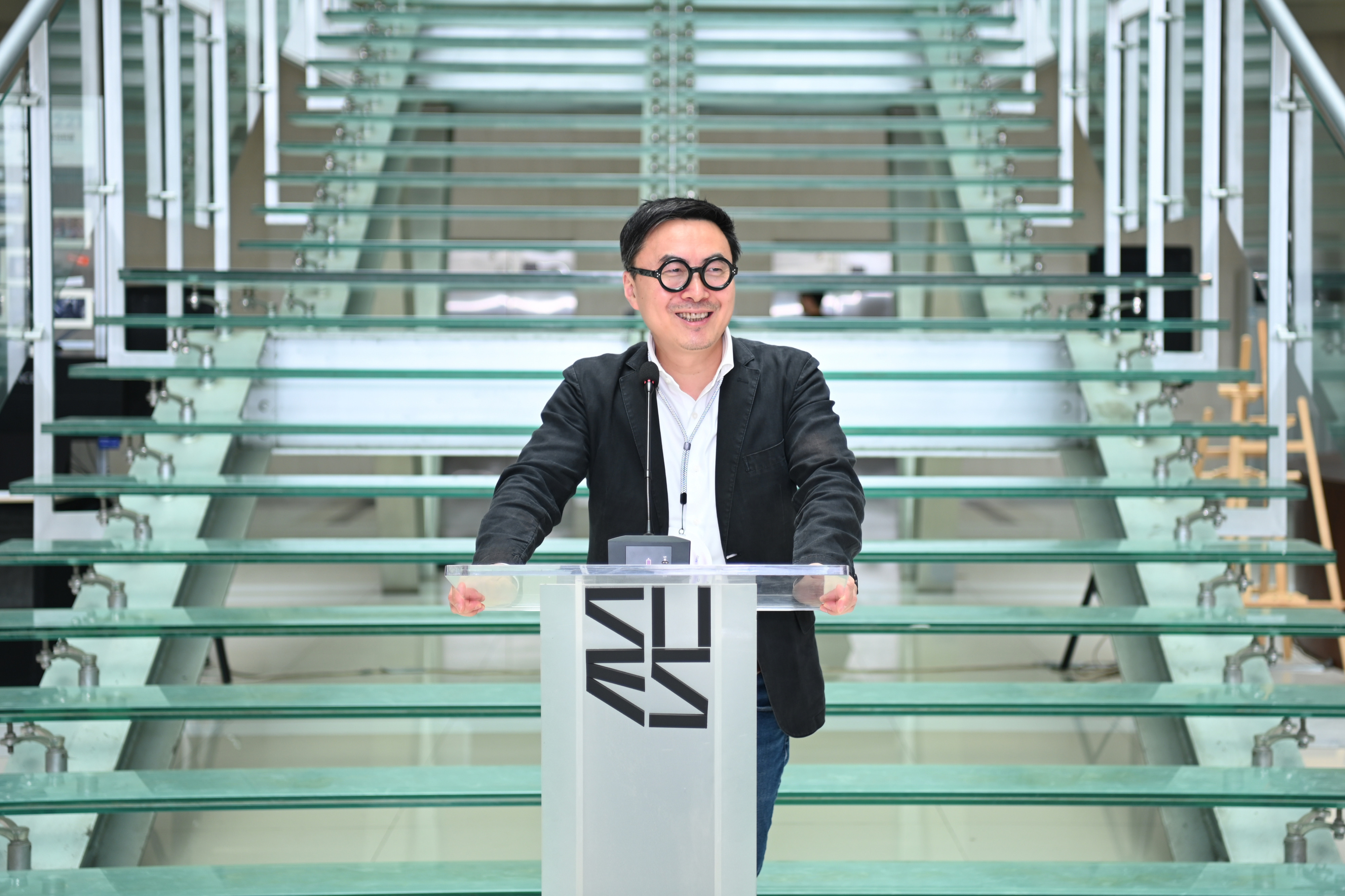
In his opening remarks, President Lou Yongqi highly commended the achievements of the graduating class, noting that many of the projects respond directly to industrial and societal needs while demonstrating strong practical value. Focusing on issues such as aging-friendly design, urban integration, and transportation improvement, the works align closely with Shanghai’s key industrial priorities and underscore the important role of design in supporting urban development. He also highlighted the School’s commitment to the University’s “3-Wings” development philosophy, promoting interdisciplinary collaboration and working with the School of Electrical and Electronic Engineering and others to address real-world challenges through design.
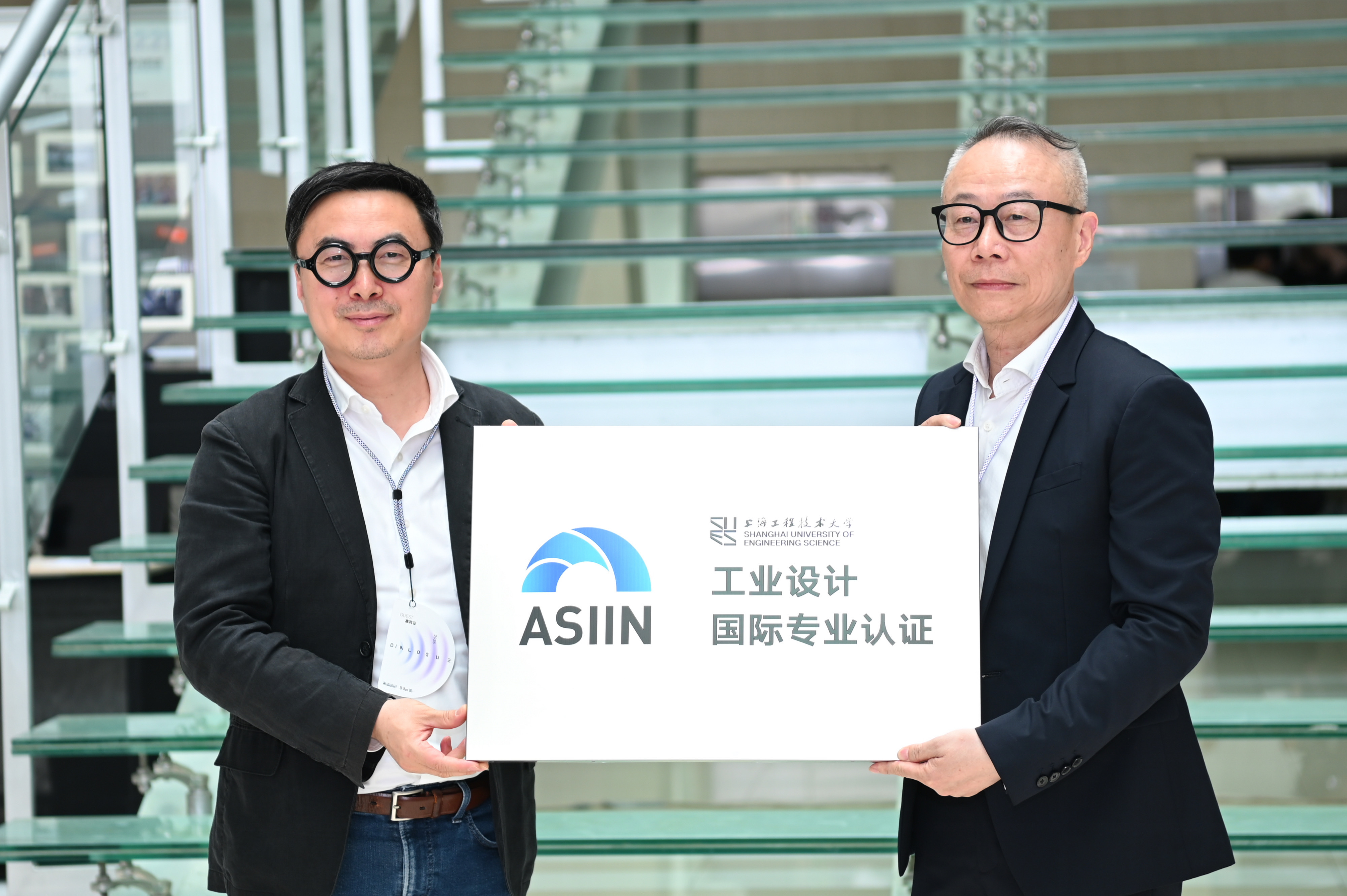
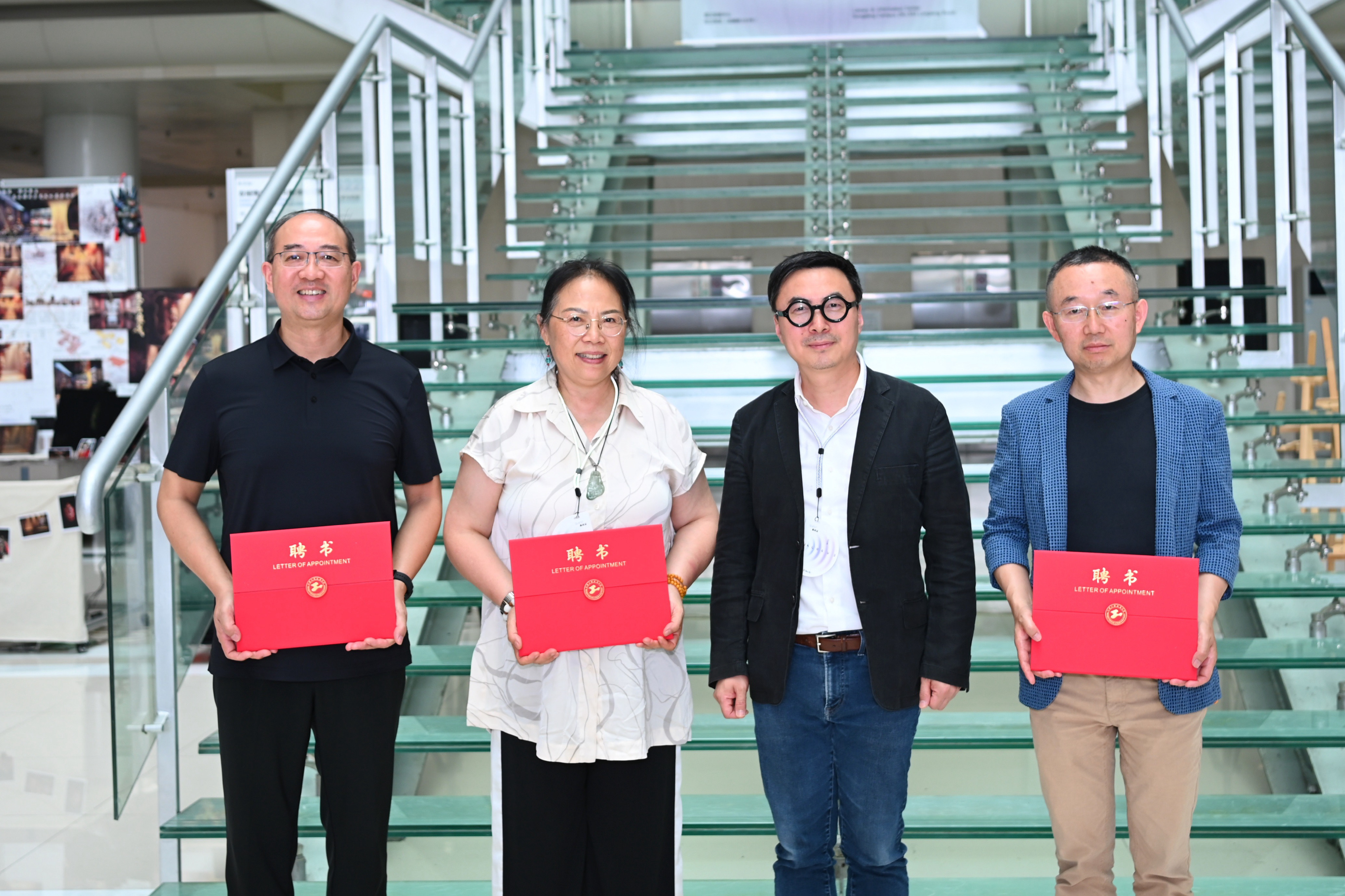
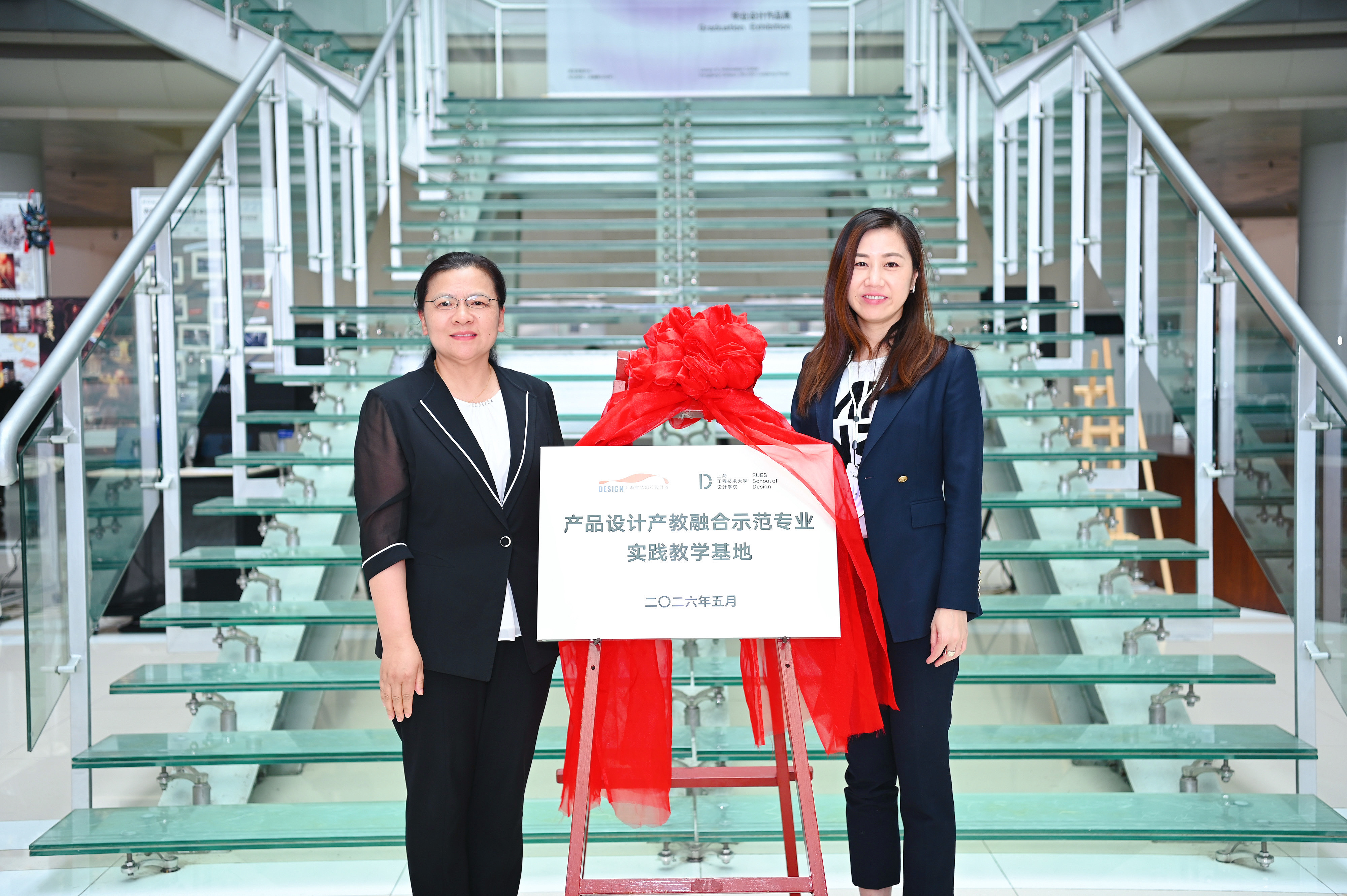
During the event, President Lou unveiled the ASIIN international accreditation awarded to the Industrial Design program and presented appointment letters to industry professionals serving as part-time postgraduate supervisors. Li Yunxian, Secretary of the CPC School of Art and Design Committee, and Xu Tingting, representative of Shanghai International Automobile City, jointly unveiled the plaque for the Industry–Education Integration Demonstration Practice Base. These initiatives further strengthen collaboration between academia and industry, creating an internationally oriented and industry-connected platform for cultivating future design professionals.
Professor Gao Zhu, academic leader of the design discipline, encouraged graduates to become “romantic problem-solvers,” using design to improve lives and create a better future. Chief Curator Chen Junkai introduced the concept behind Dialogue, emphasizing the exhibition’s focus on emerging issues, industry–education integration, and interdisciplinary innovation. Faculty representative Professor Joseph Press praised the students’ accomplishments and encouraged them to continue using design as a force for social good. Graduate representative Han Lei expressed gratitude to the university and faculty members, pledging to carry forward the spirit of Dialogue through creativity and innovation in the next stage of life.
More than a showcase of student achievement, the exhibition reflects young designers’ engagement with contemporary challenges and their exploration of interdisciplinary collaboration. It demonstrates the value of industry–education integration while highlighting how design can respond to the needs of the times and help shape the future through innovation. Looking ahead, SUES will continue to leverage design as a catalyst for connecting education, industry, and society, cultivating talented designers who combine creativity with practical capability and contributing to the high-quality development of Shanghai and the wider Yangtze River Delta region.