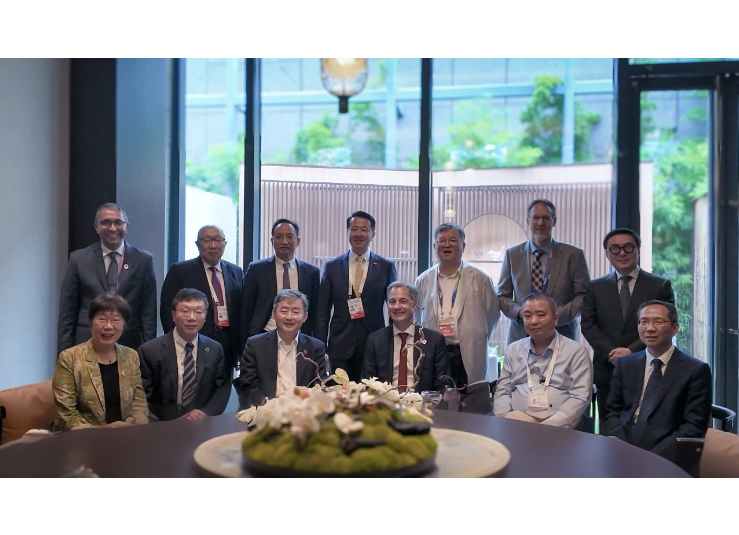
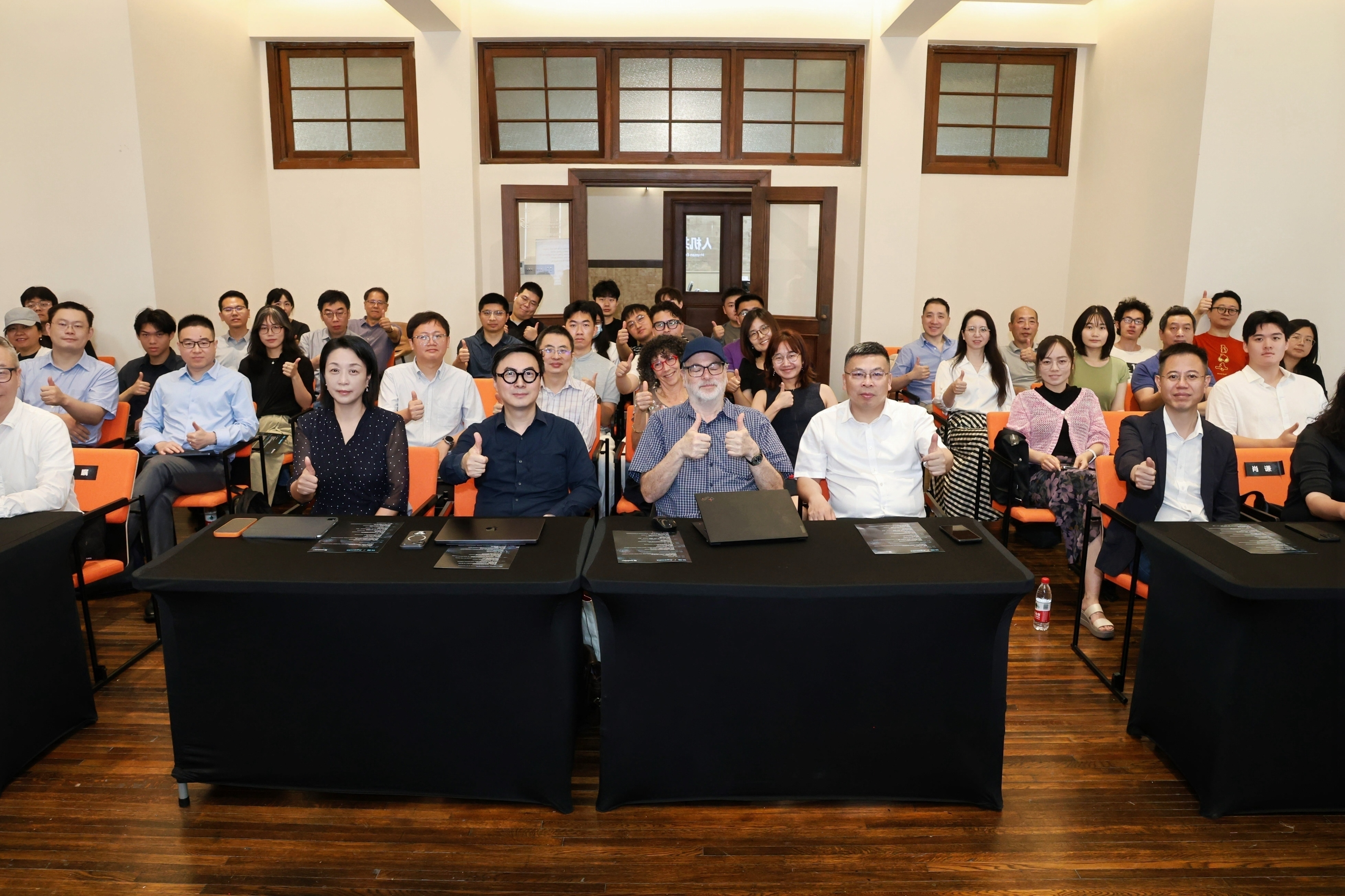
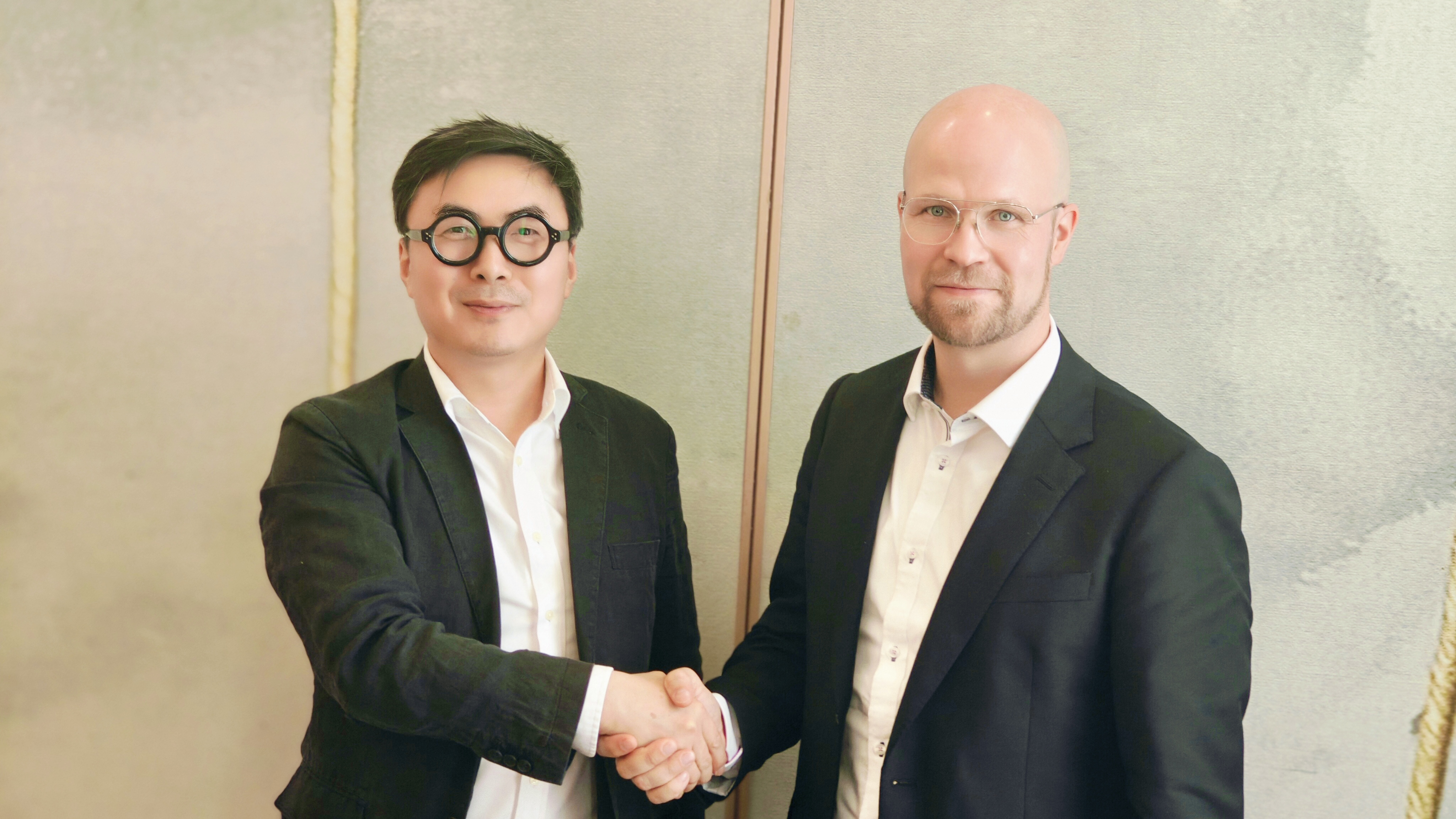
The Shanghai Industrial Museum Construction Headquarters recently convened a meeting to advance collection acquisition and exhibition planning for the museum. Following a months-long global selection process, the Headquarters appointed SUES President Lou Yongqi as Chief Curator of the Shanghai Industrial Museum.
The meeting was attended by Jiang Yiren, Chairman of the 10th Shanghai Municipal Committee of the Chinese People’s Political Consultative Conference and Director of the Expert Committee of the Shanghai Federation of Industrial Economy; Tang Wenkan, Director of the Shanghai Municipal Commission of Economy and Informatization; and Zheng Yuanhu, Secretary of the CPC Committee and Chairman of Donghao Lansheng Group. They delivered remarks at the meeting. Chief Curator Lou Yongqi and his team presented the museum’s overall curatorial vision, exhibition planning framework, preliminary functional layouts of exhibition halls, and initial exhibition design proposals. Representatives from member organizations of the Shanghai Industrial Museum Construction Headquarters, including the Shanghai Municipal Commission of Economy and Informatization, Shanghai Municipal Development and Reform Commission, Shanghai Municipal State-owned Assets Supervision and Administration Commission, Shanghai Municipal Administration of Culture and Tourism, and Donghao Lansheng Group, together with representatives from the Shanghai Federation of Industrial Economy, Shanghai Industrial Culture Development Center, more than 100 industry associations, key industrial enterprises, universities, and research institutions, attended the meeting to discuss key tasks including collection acquisition, exhibition planning, and collaborative implementation.
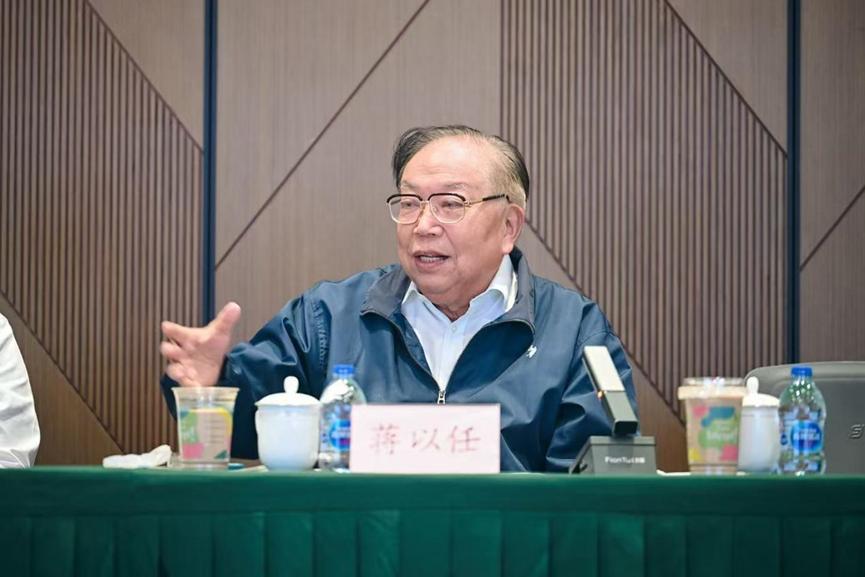
At the meeting, Chairman Jiang Yiren noted, “Shanghai has the most comprehensive range of industries and the longest history of industrial development. It is also the birthplace of the working class and the Communist Party of China. This heritage must not be wasted.” He called on all organizations to adopt a “rescue-oriented” approach to uncovering historical materials, emphasizing the need to balance quantity with quality, combine accountability with collaboration, and integrate professionalism with public engagement, so as to advance the collection acquisition and exhibition planning of the Shanghai Industrial Museum from a higher perspective.

Director Tang Wenkan spoke highly of the preliminary work and expressed appreciation to all organizations that have contributed to the initiative. He emphasized the need to broaden the scope of collection acquisition and encouraged industry associations to continue leveraging their organizational strengths to mobilize member enterprises for active participation. He noted that the Shanghai Industrial Museum will represent not only the past of industry but also the future of industrial development. From Shanghai’s remarkable industrial transformation since the city’s opening as a trading port to the achievements made since the 18th National Congress of the Communist Party of China, these important chapters should all be presented in the museum.

Chief Curator Lou Yongqi described the Shanghai Industrial Museum as a “new species” that will redefine the paradigm of urban museums worldwide. Viewing Shanghai’s industrial development as an organic whole characterized by integration, coexistence, and continuous growth, Lou proposed breaking down traditional boundaries between industry and the city, technology and everyday life, and history and the future. Through a new narrative framework, the museum will showcase the unique integration of Shanghai’s industry with the city, society, and nature, while presenting a future vision in which industry contributes to the harmonious development of people and the natural environment. Through the careful planning of the museum’s functional layout, exhibition content, visitor routes, and presentation methods, the curatorial team aims to present the historical trajectory of Shanghai’s industrial development, highlight the vitality and appeal of Shanghai industry, tell the stories of Shanghai industry, and create a landmark with global influence as well as a new engine for regional and urban innovation.

“Gateway to Industry” Public Experience Space (Artist’s Rendering)
The Shanghai Industrial Museum is a major initiative launched by the Shanghai Municipal Party Committee and the Shanghai Municipal Government to align with Shanghai’s urban development positioning, preserve the city’s industrial heritage, and showcase its urban spirit. With the goal of building a world-class national industrial museum, the initiative aims to create a new landmark of modern industrial culture that combines historical depth with a vision for the future.

Shanghai Industrial Museum Riverside Night View (Artist’s Rendering)
As one of the key coordinators responsible for the content development of the Shanghai Industrial Museum, Chief Curator and President Lou Yongqi will oversee the construction of the museum’s overall exhibition framework, the refinement of its narrative themes, and the top-level design of its spatial layout and visitor flow planning. These efforts will ensure the project’s professional standards, practical feasibility, and long-term operational sustainability.

View of the Shanghai Industrial Museum from Rainbow Bridge on the West Side (Artist’s Rendering)
The appointment of President Lou Yongqi as Chief Curator of the Shanghai Industrial Museum provides an important opportunity for SUES to participate deeply in major cultural and industrial initiatives in Shanghai. It also creates a high-level platform for the university to serve Shanghai’s industrial development, promote interdisciplinary integration, and deepen industry–education integration. Through its involvement in the museum’s curatorial planning and development, SUES will further leverage its strengths in interdisciplinary collaboration by bringing together expertise from fields such as industrial design, mechanical engineering, artificial intelligence, and digital media. The university will contribute its expertise to research on exhibition systems, interpretation of the value of collections, organization of industrial historical materials, reconstruction of industrial scenarios, digital exhibitions, and public experience design, showcasing the innovation and capabilities of SUES.