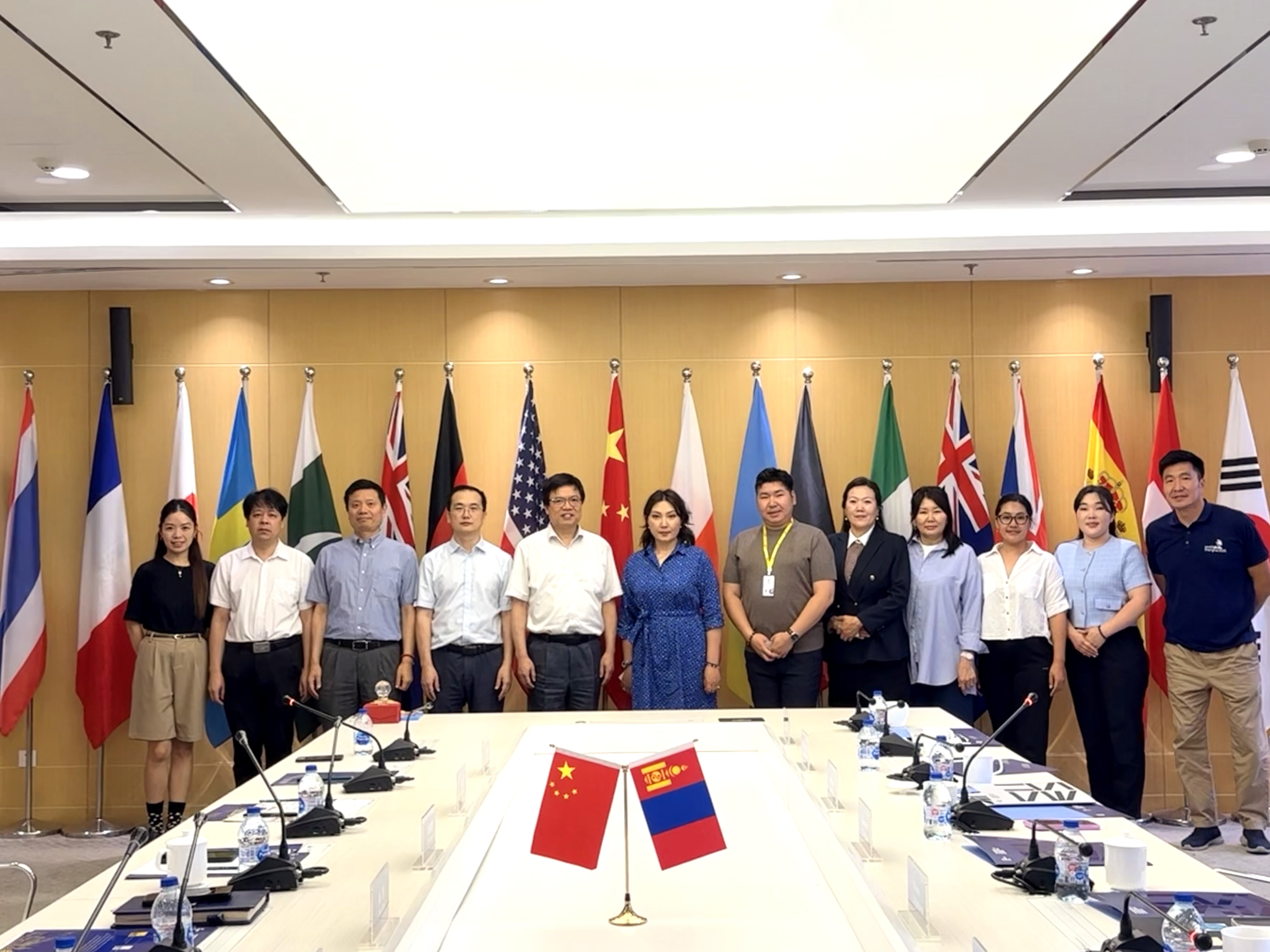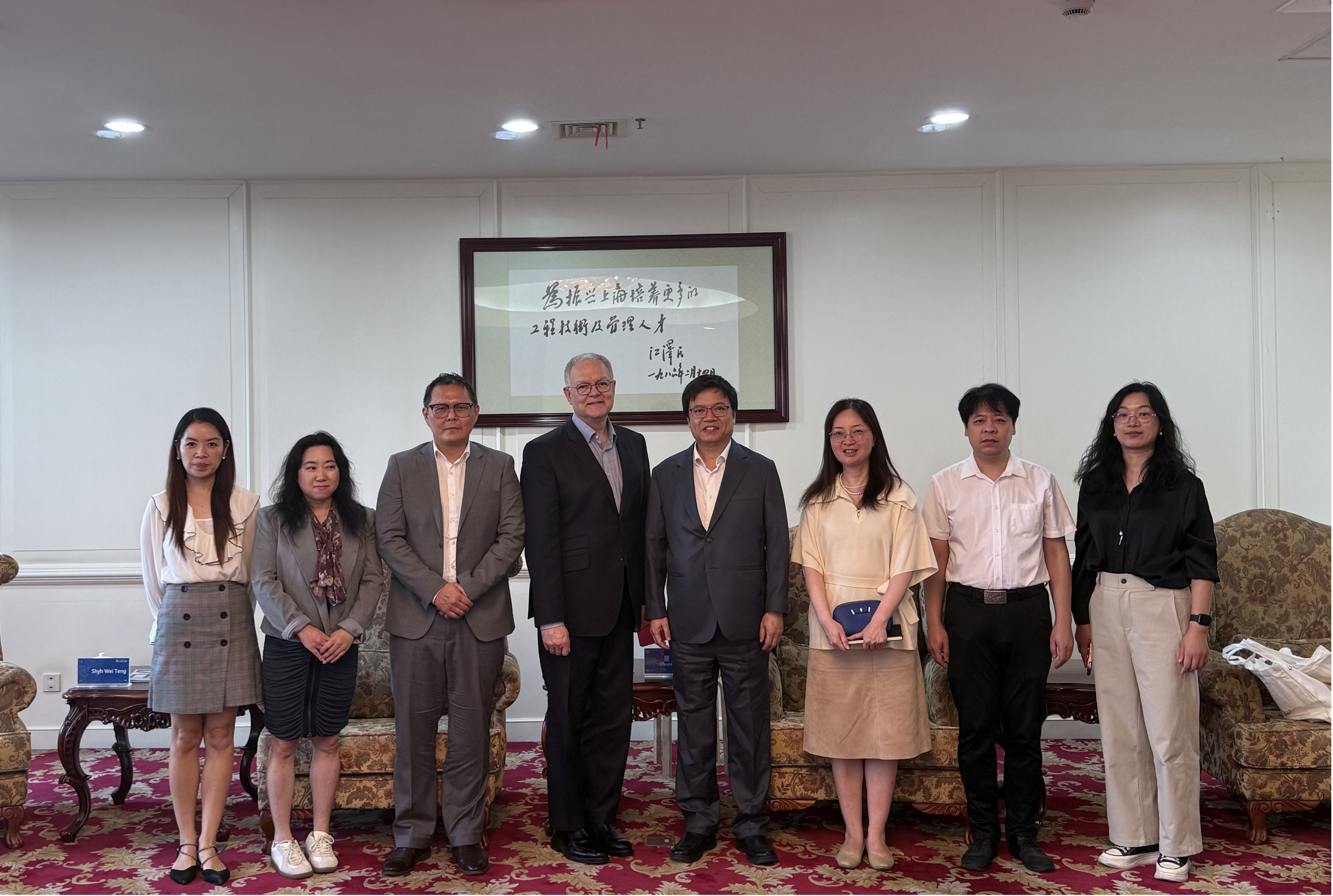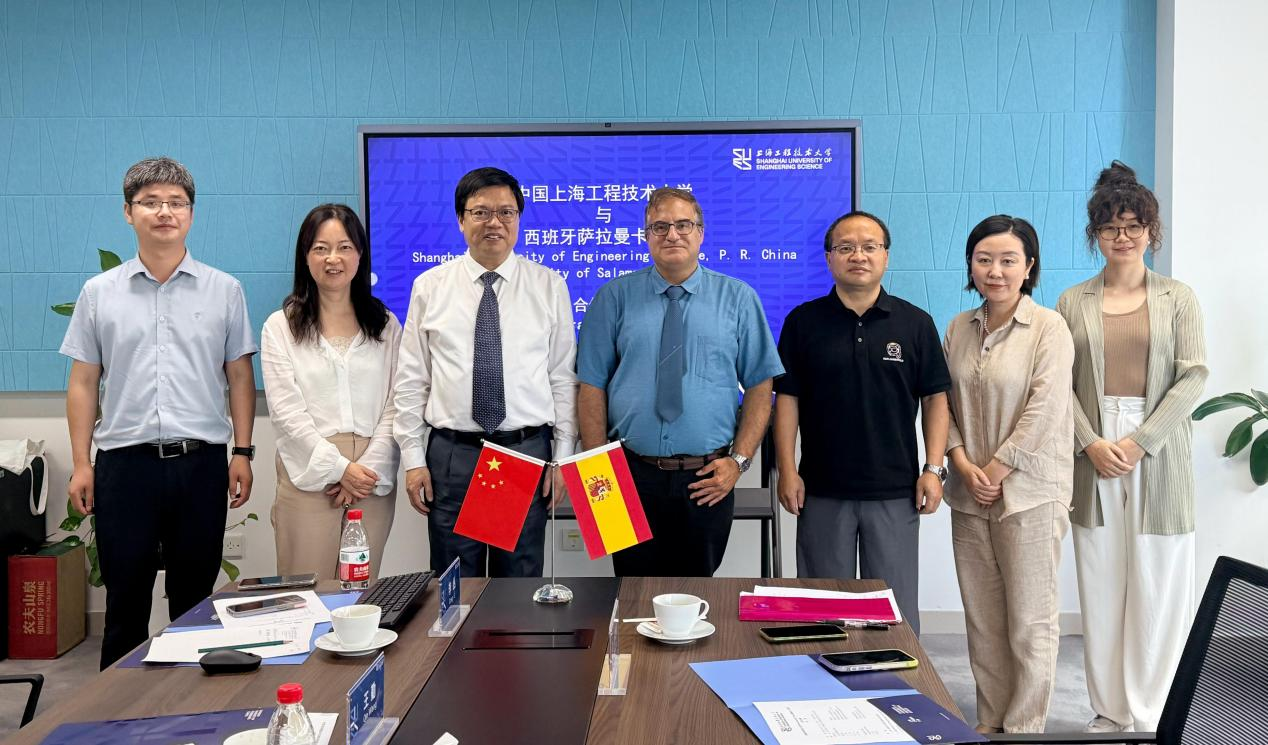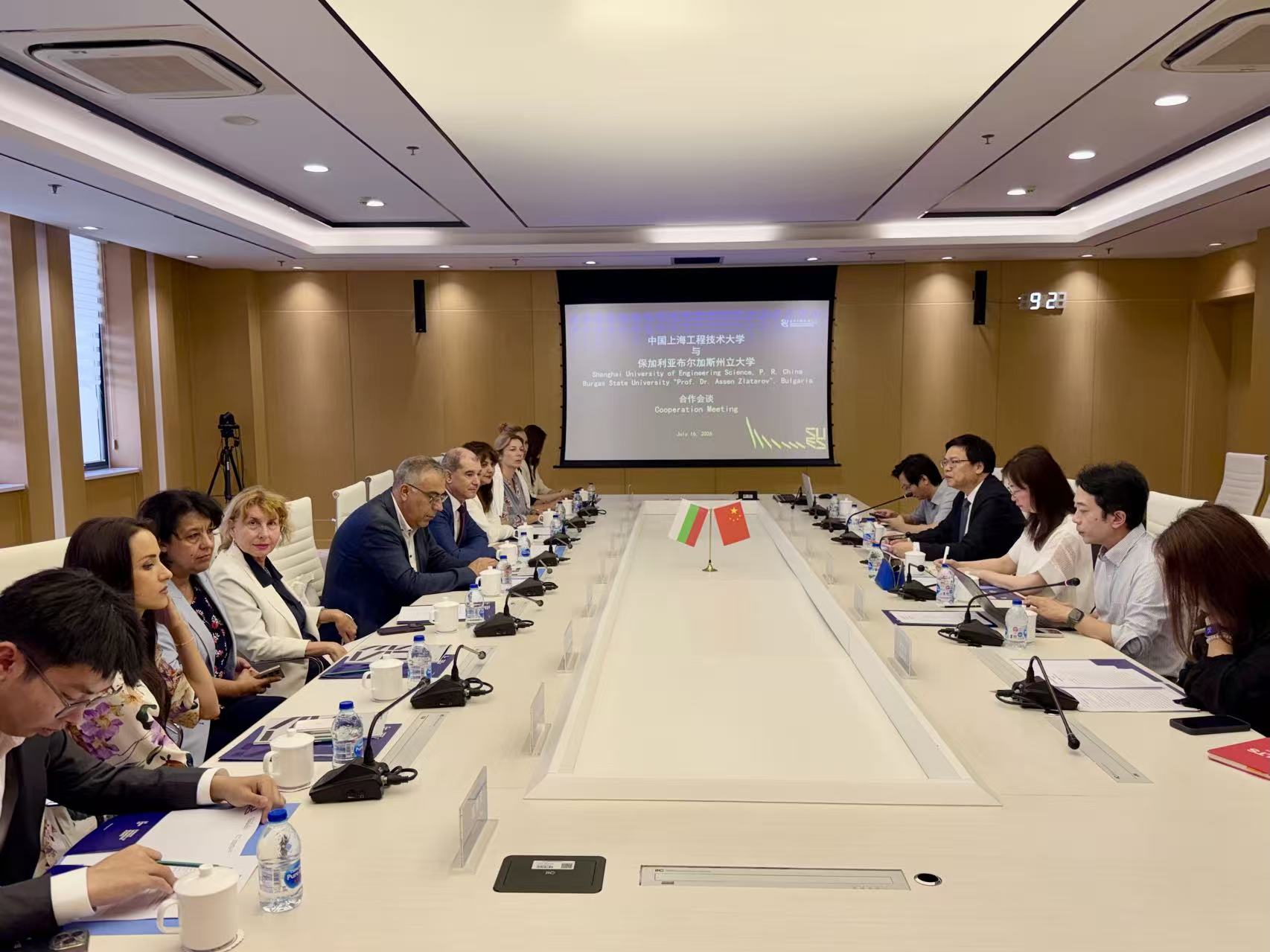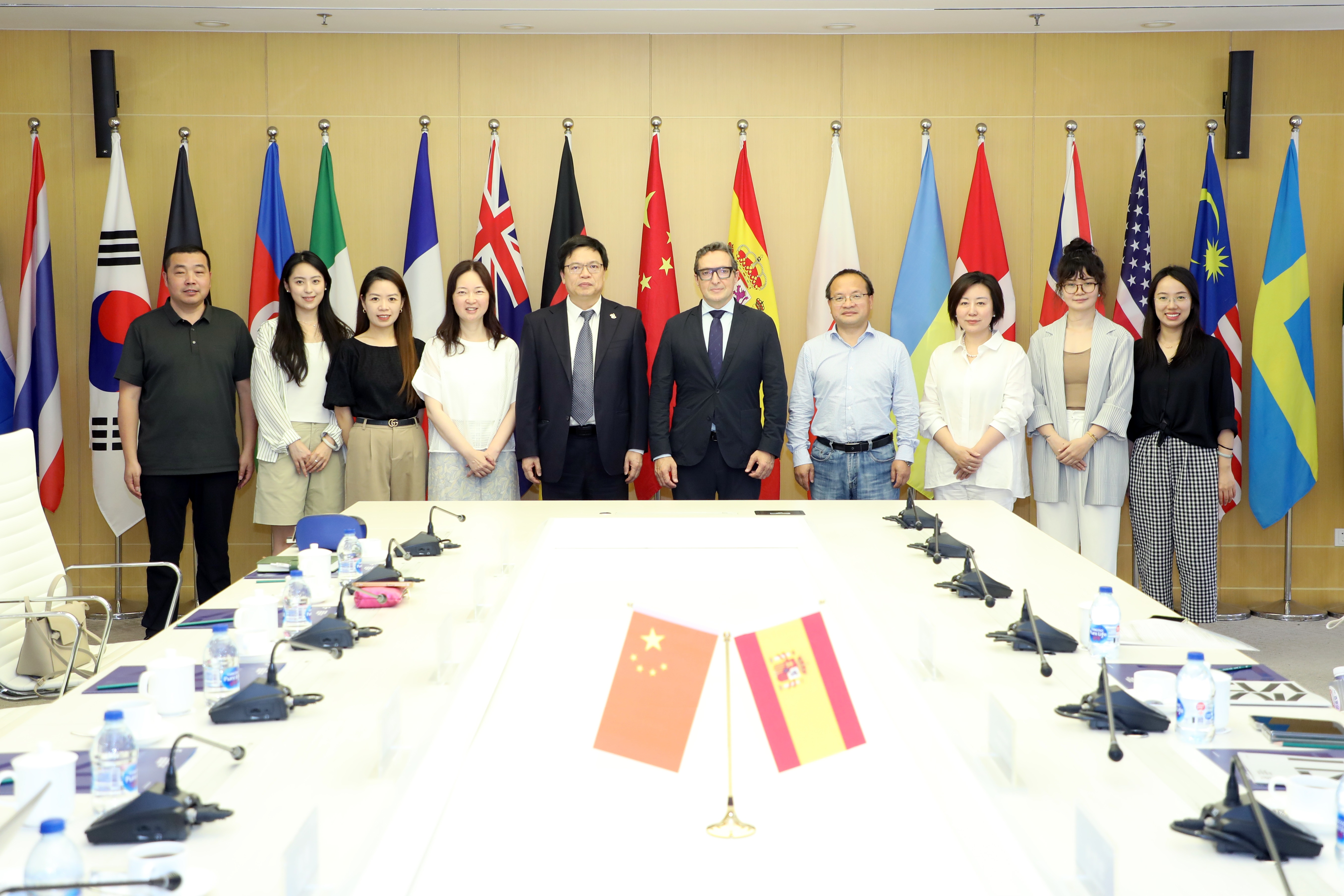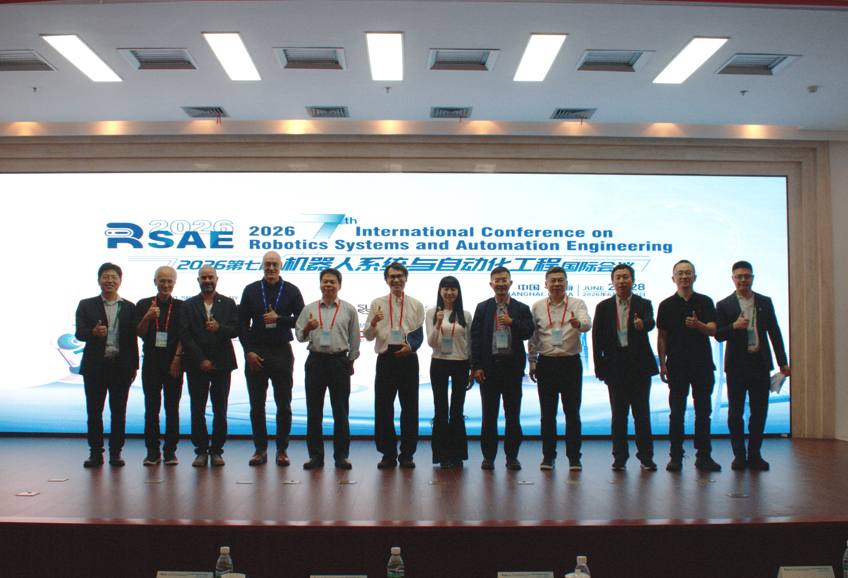
From June 26 to 28, the 7th International Conference on Robotics Systems and Automation Engineering (RSAE 2026) was held on Songjiang Campus of SUES, bringing together scholars to explore the latest advances in robotics systems and automation engineering and promote international academic exchange and research collaboration. Hosted by SUES and organized by School of Mechanical and Automotive Engineering, the conference attracted more than 100 experts and scholars from China and countries including Spain, Singapore, Japan, Thailand, and Egypt.
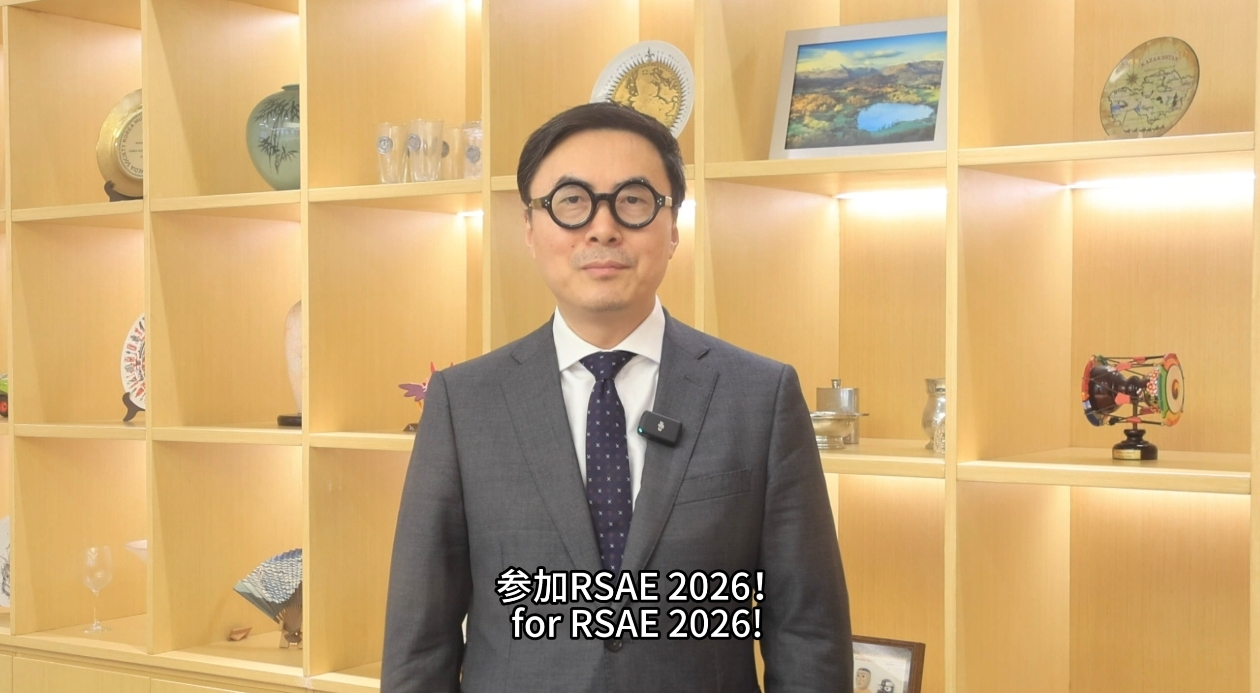
At the opening ceremony, President Lou Yongqi delivered a video address, welcoming and thanking experts and scholars from universities and research institutions in China and abroad. He noted that SUES was founded in response to the needs of industry, has grown alongside industry, and continues to thrive through its close ties with industry. SUES is working toward its goal of becoming a world-class university focused on applied innovation with distinctive industrial strengths. It is committed to cultivating interdisciplinary talent with international perspectives, global competence, innovative leadership, and strong execution skills, while integrating engineering expertise, design thinking, and business insight through its 3-wings interdisciplinary talent cultivation model. He expressed his hope that the conference would provide a platform for deeper exchanges and collaboration, creating new opportunities for mutual advancement and further strengthening SUES’ open and collaborative international ecosystem.

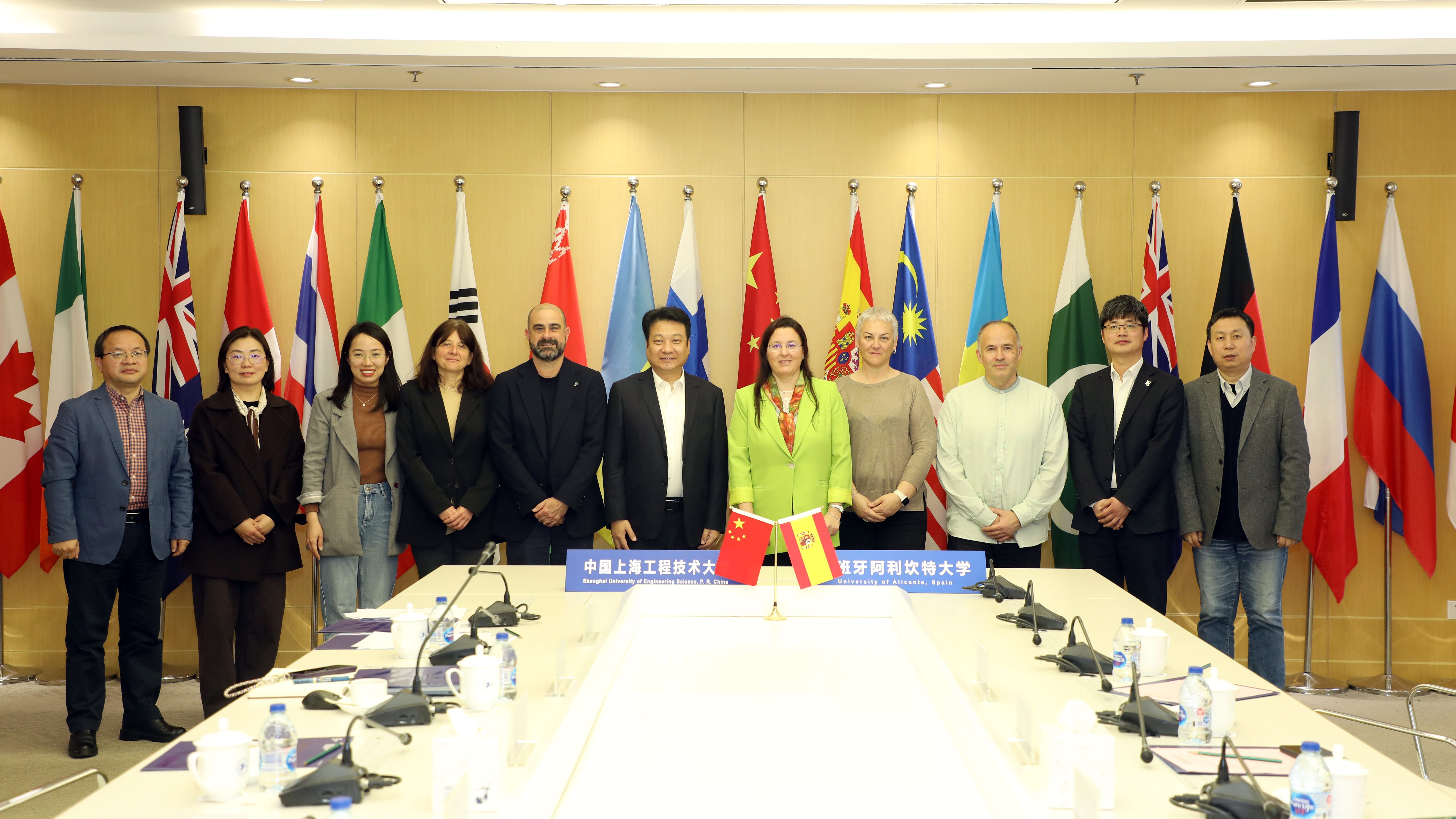
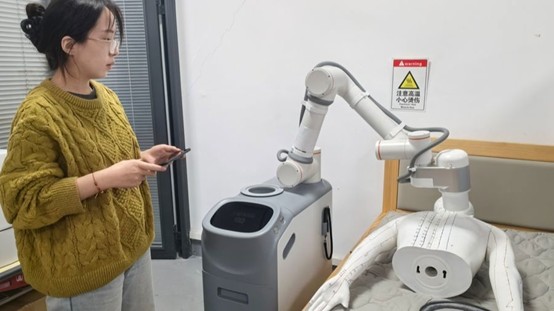
During the academic sessions, leading scholars shared their insights on a range of cutting-edge topics. Speakers included Professor Marcelo H. Ang Jr. from the National University of Singapore, Professor Josué Antonio Nescolarde Selva from the University of Alicante in Spain, Professor Jing Xingjian from City University of Hong Kong, Professor Chieko Kato from Toyo University in Japan, and Professor David Banjerdpongchai from Chulalongkorn University in Thailand. Their presentations covered topics including applications of artificial intelligence and robotics in healthcare and therapy, mapless navigation for autonomous robots, and the design and control of electromagnetically actuated multi-degree-of-freedom precision motion platforms.
During the parallel sessions, participating experts, scholars, faculty members, and students engaged in in-depth discussions on the latest developments in robotics systems and automation engineering.

Through academic presentations and in-depth discussions, RSAE 2026 provided a valuable platform for exchanging ideas and brought fresh momentum to innovation in robotics engineering. The conference also promoted interdisciplinary collaboration, expanded opportunities for international cooperation, and helped enhancing talent development and research innovation.