Educating innovative talents well-suited to future industries and meet demands of the contemporary era.
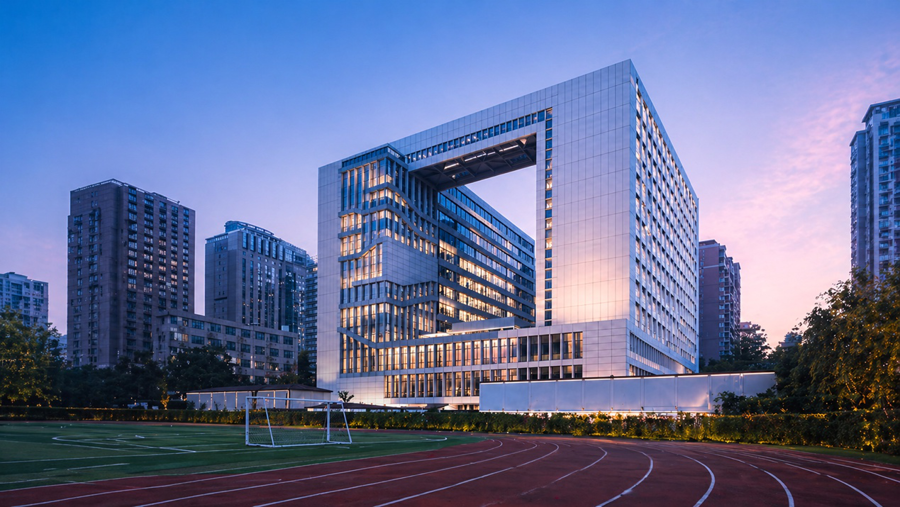
Changning Design+ International Urban Innovation Campus of Shanghai University of Engineering Science.
This year, Shanghai University of Engineering Science (SUES) has tailored its initiatives to the industrial structures of Shanghai’s different districts, establishing Future Industry Colleges, Future Laboratories, Innovation Workshops, and incubators across Songjiang, Changning, Hongkou, Jing'an and other areas, creating integrated urban academic-industrial-research complexes known as City Colleges.
These innovative initiatives embody the university's pioneering approach to talent cultivation in the age of artificial intelligence: leveraging Shanghai's real-life scenarios and industrial contexts as the source of problems and innovations—where the city itself serves as a campus, enterprises as classrooms, and challenges themselves as research topics.
The university encourages faculty and students to actively address urban and industrial needs by fostering interdisciplinary collaboration, industry-academia integration, science-education synergy, and innovation-driven entrepreneurship, thereby enhance the institution's capacity to contribute to industrial talent development and amplify the impact and commercialization of its teaching and research outcomes.
By the end of 2025, Shanghai University of Engineering Science has set a new goal: to become a world-class institution distinguished by its industrial character and international outlook. What does it truly mean to achieve world-class status for a traditional, non-prestigious institution? What is its foundation, and what path should it follow? Recently, Shanghai University of Engineering Science President Lou Yongqi granted an exclusive interview to Wenhui Daily, outlining the university's transformation initiatives and development blueprint.
The Challenge of Transformation: How Should an Application-Oriented Innovative University Be Built?
Wenhui Daily: What underpins Shanghai University of Engineering Science's commitment to building a world-class institution distinguished by its industrial character?
Lou Yongqi: This positioning is not only the mission of our times, but also the university’s founding philosophy, and our proactive pursuit today!
For a long time, China's higher education evaluation system has tended to apply a one-size-fits-all approach to all institutions. Many application-oriented universities have been forced to adhere to the operational metrics of research universities. That in fact made them lose their distinctive characteristics, and by intensifying institutional competition, caused university homogenization, which further constrained institutional development—including their capacity to serve the real economy and support industrial upgrading. Today, establishing a group of distinctive high-level application-oriented universities has become a key priority for national higher education. In recent years, Shanghai has consistently advanced reforms in university classification evaluations. Notably, the launch of the Emphasizing Service, Strengthening Contribution initiative last year gave application-oriented universities opportunities to stand out.
Historically, technological and industrial revolutions have frequently transformed the landscape of higher education. Institutions such as Humboldt University of Berlin, University of Wisconsin,Stanford University,Bauhaus-Universität Weimar, and Olin College of Engineeing thrived to become global leaders just because they proactively adapted to times and led technological and societal changes. In the age of artificial intelligence, there are no more boundaries in knowledge, information and resource exchange. And that places universities worldwide almost all on the same starting point, Shanghai University of Engineering Science as well. For us, staying true to our founding mission and embracing bold reforms and innovation is our inevitable choice.
Shanghai University of Engineering Science was established during a pivotal period of China's reform and opening-up. It can be said that this university would not have been founded without the demands of industry. The three synergies in industry-education integration—collaborative education delivery, collaborative talent cultivation, and collaborative innovation—constitute its most distinctive feature.
I aim to make Shanghai University of Engineering Science the leader in industry-education integration in Shanghai. As Shanghai strives to become a global hub for scientific innovation, if the university can establish a clear, forward-looking positioning, uphold its distinctive teaching model, and foster an open innovation ecosystem, it will undoubtedly become a world-class institution excelling in this field. We are fully confident about this new vision and have developed a well-defined roadmap: strategically aligning with the new vision, entering a stable phase of reform within three years, and completing the comprehensive development within ten years.
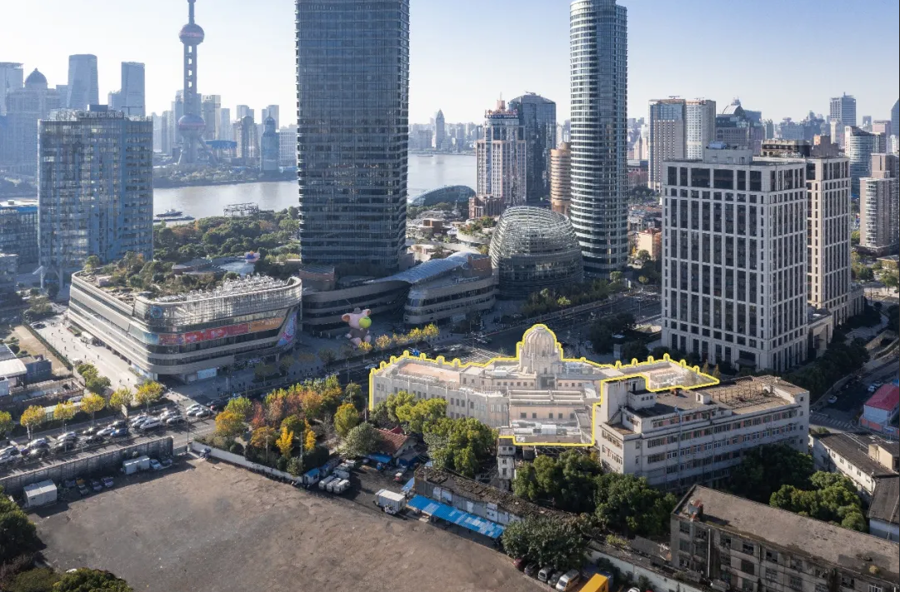
Shanghai University of Engineering Science has established the SPINOVATION International Joint Laboratory within the Lester School building on North Bund.
Wenhui Daily: How does the university's proposed model of a world-class applied innovation university differ from that of traditional applied universities?
Lou Yongqi: There is no one-size-fits-all definition of world-class. Take Olin College of Engineering as an example—it offers only undergraduate programs yet stands as a global leader in new engineering disciplines. Without a vast campus and outstanding world ranking, Minerva University still holds its admission standards even more strict than Harvard.The diversity of society and industry means that the demand for high-caliber, application-oriented innovative talent varies significantly.
The application-oriented innovative university we refer to aims to cultivate talents who possess not only practical skills for serving industries but also capabilities in applied research and creative problem-solving—those who can learn effectively without being forced and develop expertise through practice. Such talents should be able to proactively identify problems, independently investigate underlying mechanisms, and creatively achieve innovative integration. We have an alumus from Shanghai Technician School affiliated to the university, Mr.Ni Zhifu. Upon observing that drill bits frequently failed due to overheating on drilling machines, he analyzed the underlying principles and conducted extensive experiments. Ultimately, he identified the cause as concentrated heat and subsequently modified the drill bit's design, creating the industry-renowned Ni Zhifu Drill Bit.
Integrated innovation capability places even higher demands on students' comprehensive competencies. To address this, the university has introduced a three engines educational innovation model focused on industrial integrated engineering, design, and business management skills. It has also systematically established a high-level integrated innovation education ecosystem characterized by close collaboration between universities and industries,joint development through university-industry partnerships, and interdisciplinary integration.
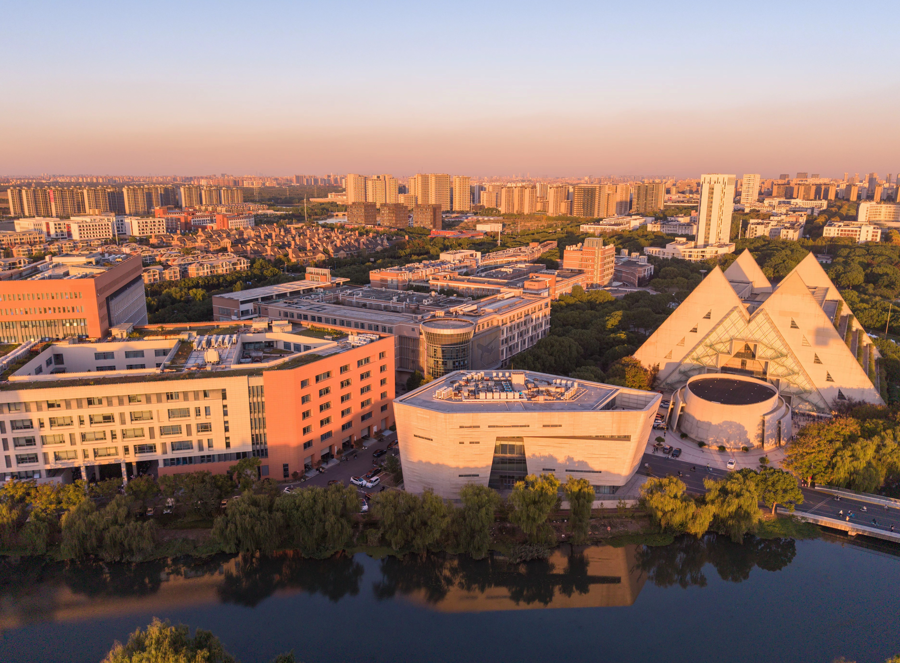
Songjiang Campus of Shanghai University of Engineering Science.
Decoding “SPINOVATION”: Achieving the Leap from Knowledge Dissemination to Value Creation
Wenhui Daily: The university has proposed a three-engine development strategy—what exactly does this entail?
Lou Yongqi: Shanghai University of Engineering Science has cultivated many outstanding industry professionals for Shanghai's automotive, aviation, rail transit, electronics and electrical engineering, textile and apparel, materials and chemical engineering, as well as chip packaging sectors, while establishing three distinctive disciplinary clusters in engineering technology, business management, and design creativity. However, for an extended period, influenced by the trend of engineering becoming more science-oriented, these three clusters developed within relatively closed academic frameworks. This approach not only prevented them from developing differentiated competitive advantages compared to research-intensive universities but also significantly limited the university's capacity to serve and contribute to the industrial sector.
In alignment with its ambitious educational vision, the university’s operational model has evolved from a sole focus on knowledge dissemination to one centered on value creation that serves industries and society. What directly embodies value? It is innovative products, services, systems, scenarios, and organizations (companies). As Edison once said, I have no interest in inventing anything that cannot be sold. We aim to educate engineers proficient in design and management, designers skilled in both management and technology, as well as management and business professionals capable of transforming ideas or technologies into industrial benefits and economic growth. In the global venture capital landscape, the integrated approach combining engineering, management, and design has become the most favored startup model.
Over the past two decades, numerous universities worldwide have explored approaches to cultivate interdisciplinary innovators by integrating engineering, management, and design disciplines.
Sucessful experience can be drawn from the ASP Academy, a collaboration between Finland's Aalto University and Italy' s Politecnico di Milano and Politecnico di Torino; Media Lab at MIT in the United States; and Stanford University's D-School. However, merely combining engineering, design, and management is insufficient. These disciplines must rotate together like the three blades of a propeller. Once the propeller turns, the blades become invisible, and disciplinary boundaries blur. More importantly, once the propeller begins rotating, power is generated—power that manifests as value creation and social contribution. I refer to this model as “旋创新” with its English name being SPINOVATION.
I believe Shanghai is fully positioned to become a global leader in the SPINOVATION talent development model. Just as a propeller requires air to generate forward thrust, Shanghai's massive industrial and social demands—driven by a GDP of 5.4 trillion yuan—serve as the ideal medium for innovation.
Wenhui Daily: Interdisciplinary integration is often described as easier said than done. How will the university ensure its effective implementation?
Lou Yongqi: True interdisciplinary collaboration only emerges when a group of people work together on a common task. The role of universities is to create the conditions that enable such collaboration. As John Dewey noted, we never educate directly; rather, we achieve educational goals by designing appropriate environments.
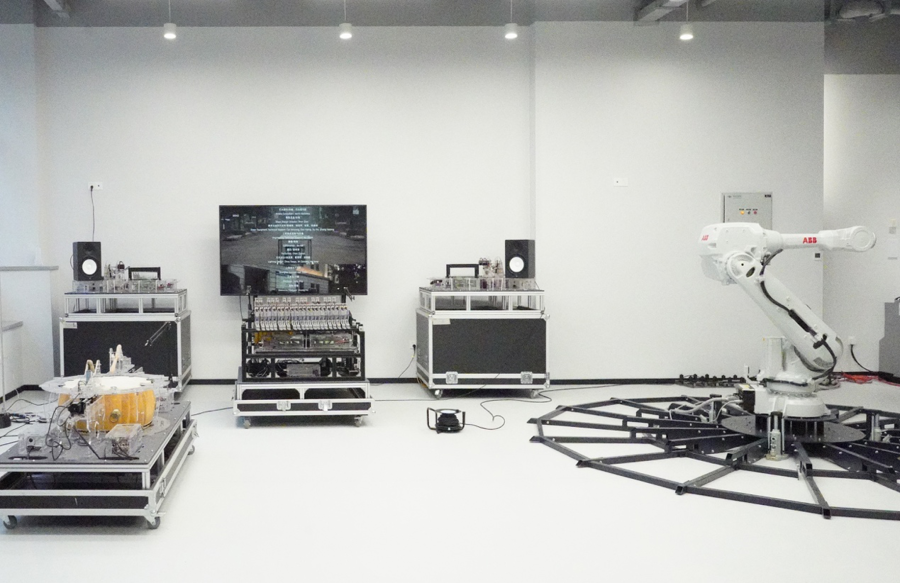
Shanghai University of Engineering Science has established an interdisciplinary NLIMITED TECH LAB.
Shanghai University of Engineering Science has established an interdisciplinary NLIMITED TECH LAB, at its Changning Campus. Associate Professor Chen Junkai leads a project there that involves numerically controlling traditional musical instruments to transform them into intelligent devices powered by artificial intelligence, enabling collaborative performances between humans and machines. The project is scheduled for public debut in the second half of 2026, alongside plans for commercialization. Its realization requires collaboration across multiple disciplines—including mechanical engineering, materials science,electronics,software development, artificial intelligence, design, and business management—thus naturally fostering interdisciplinary integration. During UK former Prime Minister Keir Starmer's visit to Shanghai in February this year, he was specifically introduced this project. By the end of next year, Shanghai University of Engineering Science aims to establish 20 to 30 such integrated laboratories combining academic research, industry practice, and innovation.
Furthermore, the university is establishing a comprehensive talent development system integrating engineering, design, and management that aligns with Shanghai's 2+3+6+6 industrial framework. It collaborates with enterprises to develo interdisciplinary teaching models— including industry-academia institutes, industry-integrated programs, micro-specializations, Project-Based Learning (PBL) courses tailored to specific industries, and specialized classes. For instance, in municipal-level specialized programs covering integrated circuits, advanced equipment, intelligent transportation, and advanced materials, enterprise research projects, case studies, mentorship, and real-world scenarios are fully incorporated throughout the curriculum. To expand the scope of enterprise-driven initiatives beyond technological innovation to encompass product and application scenario innovation and commercialization, the university has formed 12 industry-academia-research teams focused on areas such as AI-powered smart manufacturing, intelligent mobility and human-vehicle collaboration, embodied rehabilitation robotics, low-altitude intelligent transportation, high-performance fiber applications, biomedical manufacturing and advanced diagnostic materials, as well as human-machine synergy and intelligent product services.
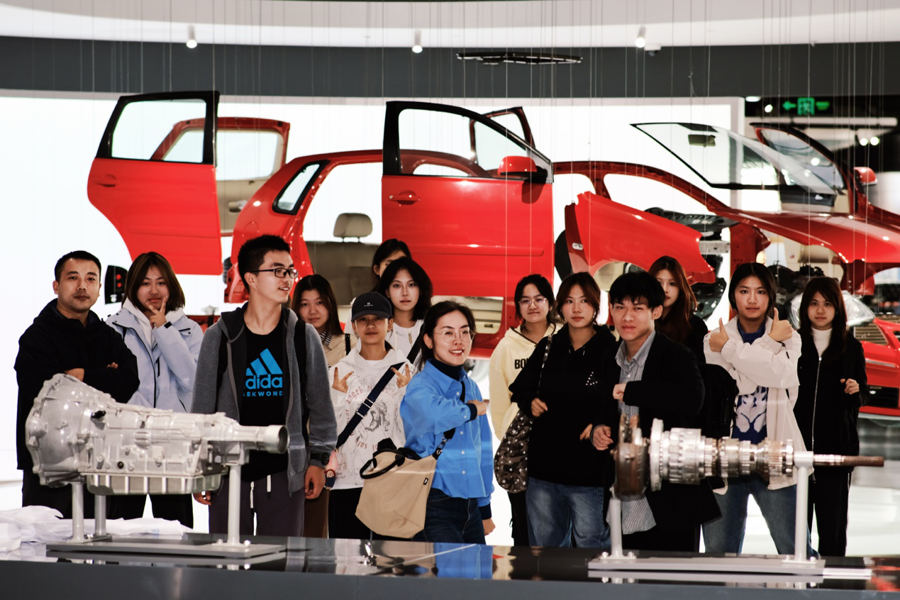
Integrated with the professional approach of the SUES-Knowledge Classroom, which identifies real-world challenges within urban environments.
To foster an environment of interdisciplinary innovation across the university, significant management innovations have been implemented. For instance, in the new study plan and weekly teaching schedule, a dedicated afternoon is set aside each week for a unified Project-Based Learning (PBL) program. Students may freely select from various PBL courses offered by all colleges, which are characterized by hands-on practice and industry-academia integration. To encourage interdisciplinary collaboration, undergraduate general education coursessuch as foreign languages, politics, computer science, and physical education are no longer taught in specialized classes; student housing is also allocated on a mixed-class basis rather than by department. Additionally, the university is establishing a university-wide SPINOVATION” and entrepreneurship platform along with an innovation transformation ecosystem that spans all campuses.
Wenhui Daily: What measures has the university taken to leverage artificial intelligence in higher education?
Lou Yongqi: The transformative impact of AI on education cannot be overstated. However, we have not designed any university-wide AI courses, as students are learning new technologies far more rapidly than educators. Students have multiple channels that are more efficient and accessible to acquire these skills outside classrooms. Nevertheless, all faculty members must consider how societal and industrial demands evolve in the AI era, along with corresponding changes in industries, professions, academic disciplines, and curricula. Each instructor should reflect on: What competencies should students develop? What should they learn, and how should they learn it? What should be taught, and how should teaching methods be adapted? How should academic programs be restructured? Which aspects can leverage AI to enhance quality and efficiency? And what educational responsibilities remain irreplaceable for teachers—that constitutes their core, indispensable value.
Currently, the university is establishing an AI-powered digital transformation framework for its SPINOVATION” education system, centered on a four-tier platform architecture + dynamic innovation mechanism + integrated collaborative ecosystem. This framework has evolved into a comprehensive, sustainably iterative intelligent education ecosystem characterized by three key components: integration of educational resources, development of educational infrastructure platforms and data/knowledge bases, and provision of AI capability support; and implementation of innovative application scenarios. The system aims to comprehensively empower innovation across all aspects of student learning, teaching practices, scientific research, campus governance, and faculty-student development.Notably, the TT Design Institute design expert agent, jointly developed by my research team and Tencent Cloud, is being applied in interdisciplinary teacher–student–system interaction scenarios. One key application demonstrates how this agent provides design capabilities to facilitate interdisciplinary collaboration and co-creation within the SPINOVATION ecosystem when designers are unavailable.
The City as a Campus: Redefining the Boundaries Between Classroom Instruction and Innovation
Wenhui Daily: The university has proposed bringing classrooms and incubators directly into residential neighborhoods and treating the entire city of Shanghai as a campus. How will this vision be implemented?
Lou Yongqi: For today's universities, the concept of three synergies—collaborative education, collaborative talent development, and collaborative innovation—extends beyond industries to encompass cities, achieving integration of industry, education, and urban development. Modern universities should not be isolated ivory towers but innovative engines embedded within cities. Cities serve as breeding grounds for industries and should simultaneously become immersive hubs for problem-solving and innovation experimentation for universities. Applied universities possess inherent advantages in collaborating with cities and industries. Where problems exist and needs arise, wherever we are, that's our classroom!
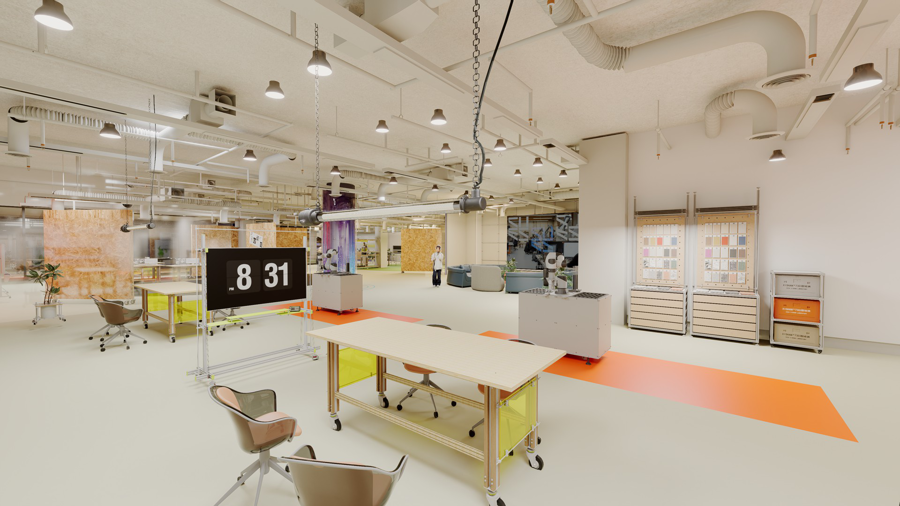
Render image of the SPINOVATION Space at the Songjiang Campus of Shanghai University of Engineering Science
The Songjiang Campus has been positioned by the university as a flagship base for Intelligent Manufacturing+, hosting an engineering school that leverages strengths across maritime, land, and aerospace domains. Currently, we are aligning with the Songjiang University Town plan to break down campus barriers and establish an open innovation hub. For instance, we are developing an innovation and entrepreneurship cluster along Longteng Road that integrates urban and academic resources, extending the university's innovative vitality throughout city neighborhoods.
The Changning Campus is positioned as a Design+ international urban innovation hub. We plan to allocate one-third of the campus area, integrating it with the transformation and upgrading of the National University Science Park, to establish an innovation-integrated campus that combines industry, education, research, and innovation, as well as a knowledge economy zone centered around the university. This campus serves as an innovation island linking the main campus in Songjiang with other satellite campuses.

The innovation space at the Jing'an Campus of Shanghai University of Engineering Science.
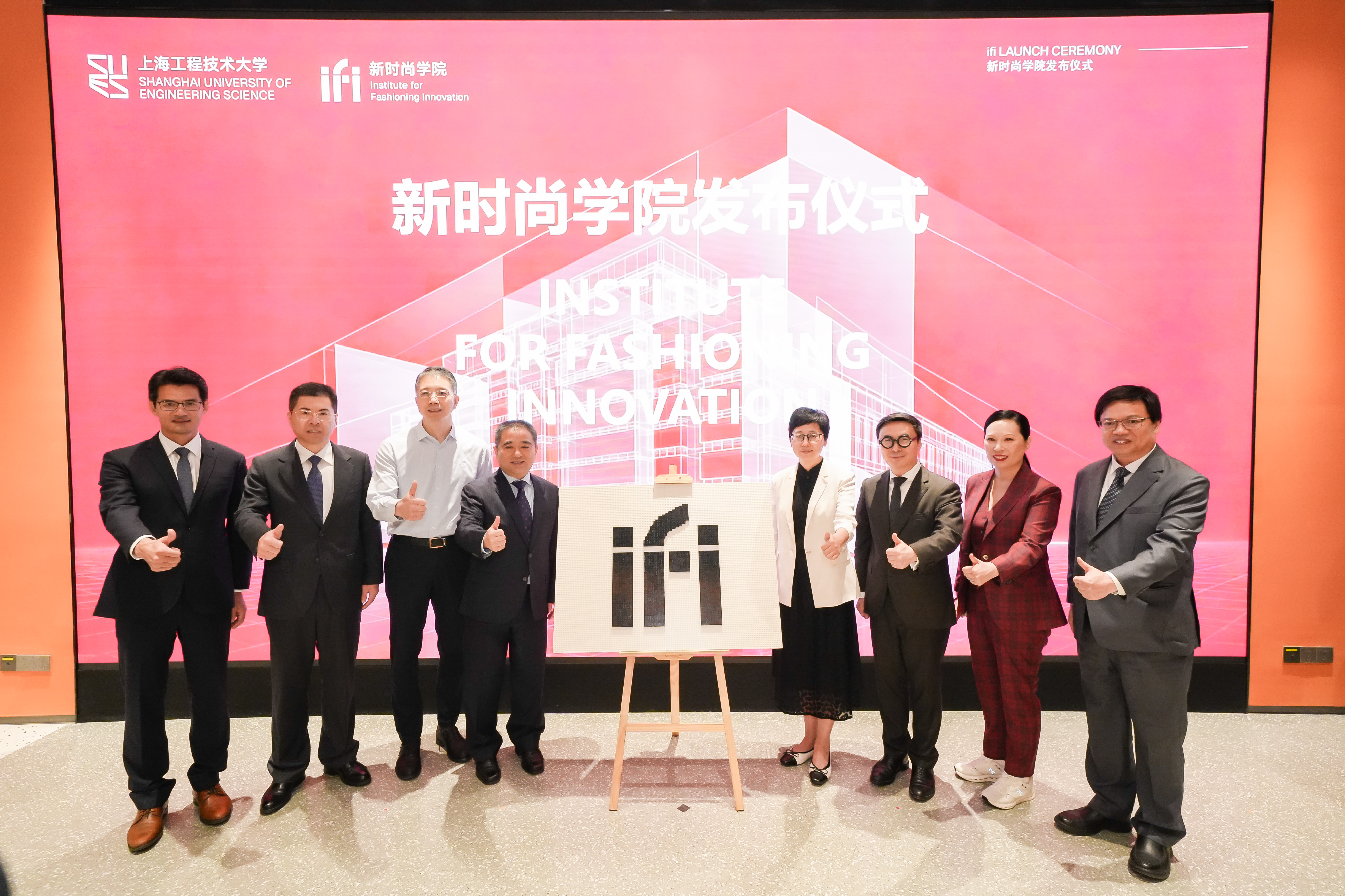
Furthermore, we are constructing two building-based campuses in North Bund (Hongkou District) and Suzhou Creek Bay (Jing'an District), serving as flagship platforms for interdisciplinary integration and urban-industry-education collaboration. At the end of last year, the university signed strategic cooperation agreements with Hongkou District and Design Innovation Institute Shanghai to jointly establish a world-class Human-Machine Co-creation Joint Laboratory and an Intelligent Manufacturing Hardware Accelerator in North Bund; while in Suzhou Creek Bay, it partnered with Jing'an District to develop a world-class industrial innovation hub targeting fashion consumption, cultural creativity, and integrated innovation through its newly established Fashion Innovation and Integration College.
Through these City Colleges, the university will establish seamless connections between higher education, vocational training, and innovation and entrepreneurship education, fostering integrated innovation through real-world projects that bridge academia with practical skills, universities with industry, and campuses with urban communities—thereby creating a virtuous cycle of mutual empowerment between the institution and the city.
Wenhui Daily: How will students' learning experience change at the Urban College?
Lou Yongqi: In the age of artificial intelligence, information and knowledge are readily accessible; even problem-solving approaches and perspectives can be generated by AI. So, what should universities teach, and what should students learn? The answer lies in equipping students with capabilities for navigating the real world—including ideals, mission, values, as well as skills such as critical thinking, collaboration, imagination, creative connectivity, and proficiency in using AI. Cities and society serve as the optimal classrooms for cultivating these high-dimensional competencies.
Starting this year, one of the key tasks for students at Shanghai University of Engineering Science during their first year is to understand the social and industrial dynamics of this megacity—including where urban energy comes from, how waste is managed, how communities are governed, and what industries and economies entail. Students are required to engage in immersive visits to various enterprises, conducting in-depth discussions with corporate executives, technical supervisors, engineers, and frontline workers; learn how state-owned enterprises, private companies, foreign capital, as well as large, medium, small, and micro enterprises operate; comprehend how technologies are invented, transformed, and disseminated; understand how laboratory innovations integrate with capital to form viable companies; and grasp the fundamentals of innovation, entrepreneurship, investment, and financing.
In higher education, interactive and practice-oriented Project-Based Learning (PBL) courses— grounded in real-world urban and industrial contexts and supported by innovative practices— are increasingly replacing traditional lecture-based instruction. Key characteristics of these courses include a student-centered approach, learning by doing, collaborative innovation, and industry-education integration.
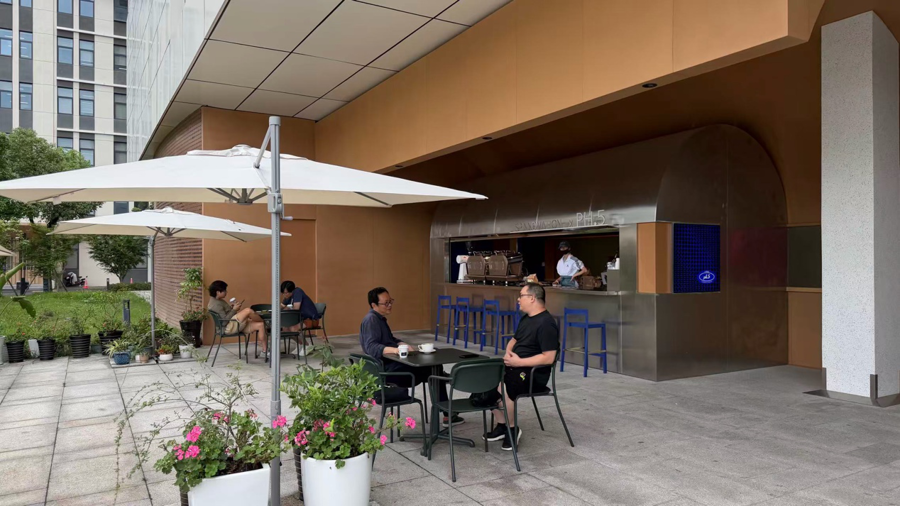
SPINOVATION Café at the Changning Campus.
As a designer, I place great emphasis on spatial design. An innovative space must have distinct characteristics—it can be somewhat cluttered, but never poorly organized or unsanitary! At Shanghai University of Engineering Science, we are developing a series of SPINOVATION Third Spaces that feature interdisciplinary integration, comprehensive facilities, vibrant energy, and a welcoming atmosphere with coffee aromas. I firmly believe that the most vital laboratories in a university should be spaces like cafés where ideas can freely converge. The hub of innovation at Cambridge University is not the Cavendish Laboratory, which has produced numerous Nobel laureates, but rather the relaxed Eagle Pub. Bringing together faculty members, students, and industry leaders from diverse disciplines to spark creative thinking is the foundation for groundbreaking innovation. The newly opened café within the industry-education integration building at the Changning campus was designed by renowned architect Yu Ting and is hailed as the most stylish café within a 3 km radius.
Wenhui Daily: What concrete reforms has the university implemented in areas such as disciplinary restructuring and evaluation systems?
Lou Yongqi: In response to industry demands, the university has introduced new academic programs and specializations including Semiconductor Processing and Equipment, Intelligent Manufacturing Engineering, Integrated Circuit Science and Engineering, Intelligent Science and Technology, Low-Altitude Technology and Engineering, and Biomedicine. However, for a university, changing the name of a college or program is as straightforward as altering a label; what matters more is substantive development.
For instance, to strengthen the design component—a key element of the SPINOVATION framework—the university established a new School of Design by merging the original School of Art and Design with the International Institute of Creative Design. It consolidated various departments and programs into five academic units for undergraduate and graduate studies: Products and Mobility; Environment and Scenarios; Human-Machine Interaction; Media and Entertainment; and Strategy and Management.
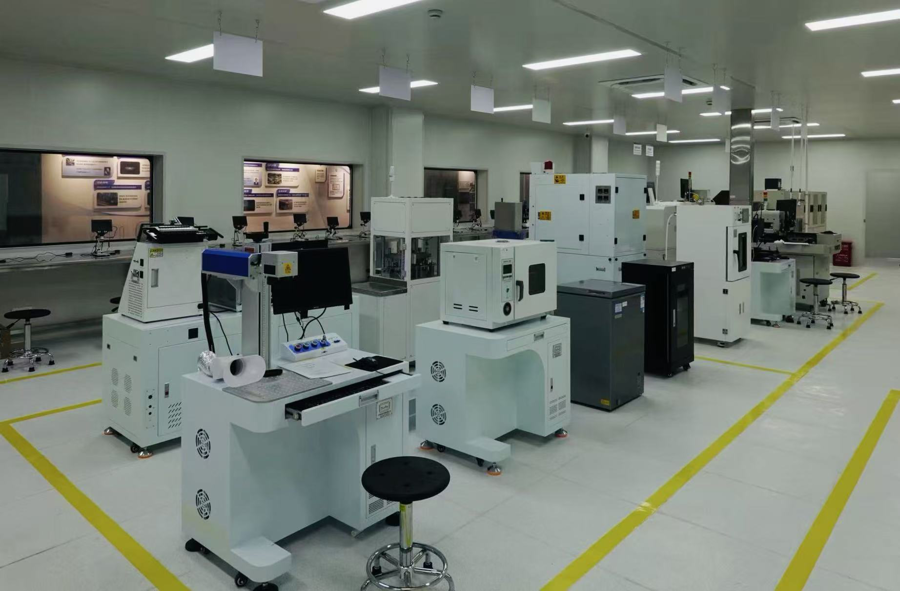
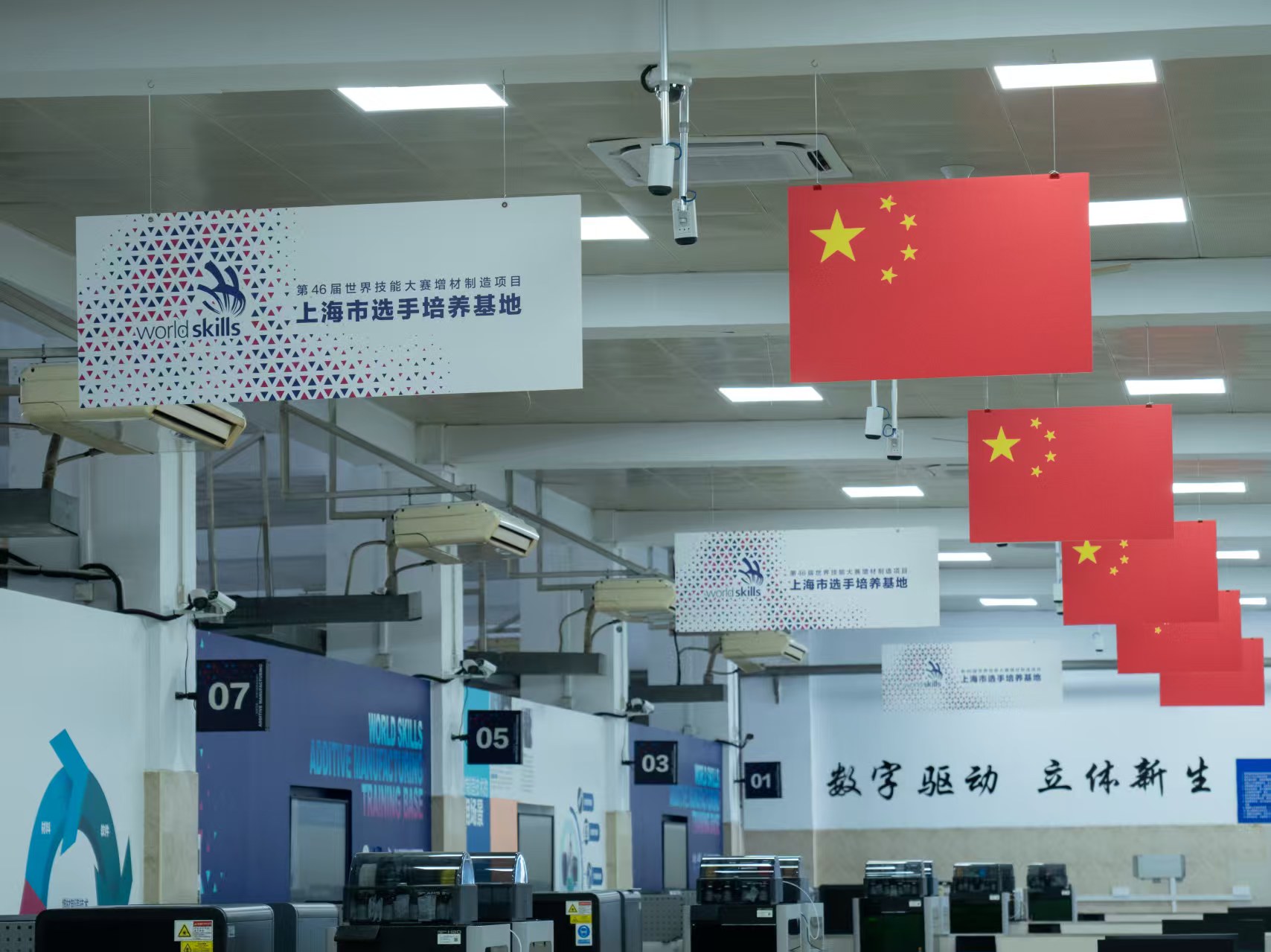
The Chip Packaging Production Line Laboratory of School of Material Science and Engineering, jointly established by universities and enterprises.
The School has attracted a group of world-class talents, including Professor Ren Xiangshi, member of the Engineering Academy of Japan, Professor Joseph Press, founding director of Deloitte's Digital Department in Zurich, Switzerland, and a Ph.D. graduate from MIT; and Yang Mingjie, founder of YANG DESIGN and Forbes China's most influential industrial designer. Professor Joseph Press remarked, The School of Design at Shanghai University of Engineering Science is likely the only design school in the world that exerts a omprehensive impact on comprehensive engineering institutions. This is what excites me the most.”
Unlike the traditional approach of bridging the last mile between laboratories and market applications, the SPINOVATION model integrates users and market demands, engineering technology offerings, business models, and management from the outset. At SUES, we ask ourselves “Has a problem been solved creatively?” “Have innovative products, services, scenarios, systems, or companies been developed?” “Has new social and industrial value been created?” when it comes to evaluate an innovation.Traditional academic KPIs—such as research publications and patents—have in this way become part of the innovation process itself.
Not only must the criteria for evaluating innovation evolve, but also must our approach to assessing individuals. It takes not just Stephen Chow, but also Ng Man Tat to make a great show. We aim to recognize teachers of diverse types and their varied contributions through multiple channels.This year, the university was granted eligibility for postgraduate recommendation programs. Starting next year, the selection process will shift from relying solely on academic performance scores to adopting a comprehensive capability assessment model. Both education and management focus on maximizing human potential and goodwill. We do not seek to turn every teacher or student into an all-round expert, but rather encourage all of them to further develop their strengths—a principle particularly crucial for applied undergraduate institutions.
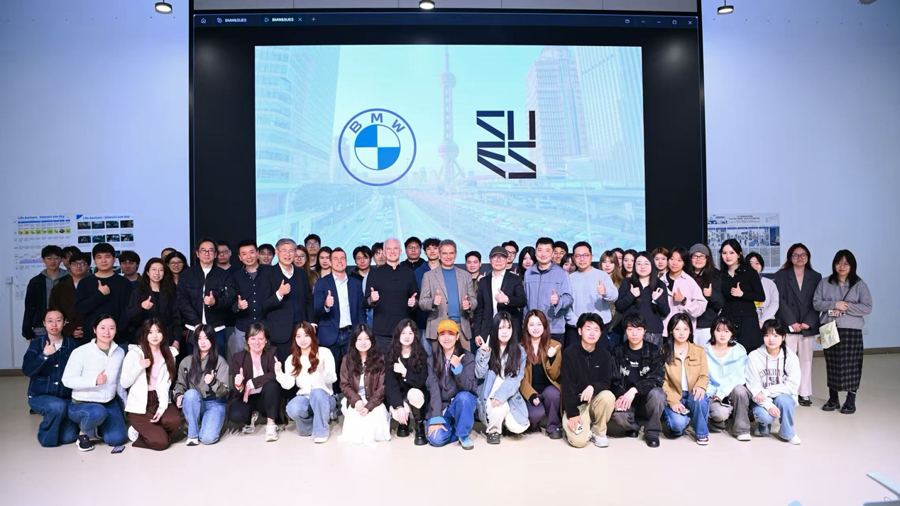
SUES-BMW Innovation Workshop.
Less than a year after the full implementation of the aforementioned comprehensive reforms, the university has already demonstrated initial signs of transformative growth: the SPINOVATION talent cultivation model has been fully adopted; a campus system featuring coordinated collaboration between the main campus, islands/reefs, and flagship facilities has taken shape; partnerships with leading innovative institutions such as MIT and Politecnico di Milano have been established; numerous top-tier talents from both China and abroad have joined the institution; faculty members have achieved breakthroughs in prestigious research awards, including the Ho Leung Ho Lee Foundation Prize and the National Innovation Excellence Award; and the university has become one of the primary hosts of the World Design Cities Conference.
For a long time, the label of institutions falling out of Project 985 and Project 211 has entrenched external perceptions. Now, we aim to dispel these biases through tangible educational achievements. Free from the constraints of traditional educational models, we are better positioned to boldly explore and pioneer innovative approaches. Our goal is to establish a new paradigm for cultivating innovative talent that aligns with future industries and meets contemporary demands.
Shanghai University of Engineering Science is exploring a new development paradigm for application-oriented universities through its practical endeavors, making typological contributions to the transformation of higher education in China.