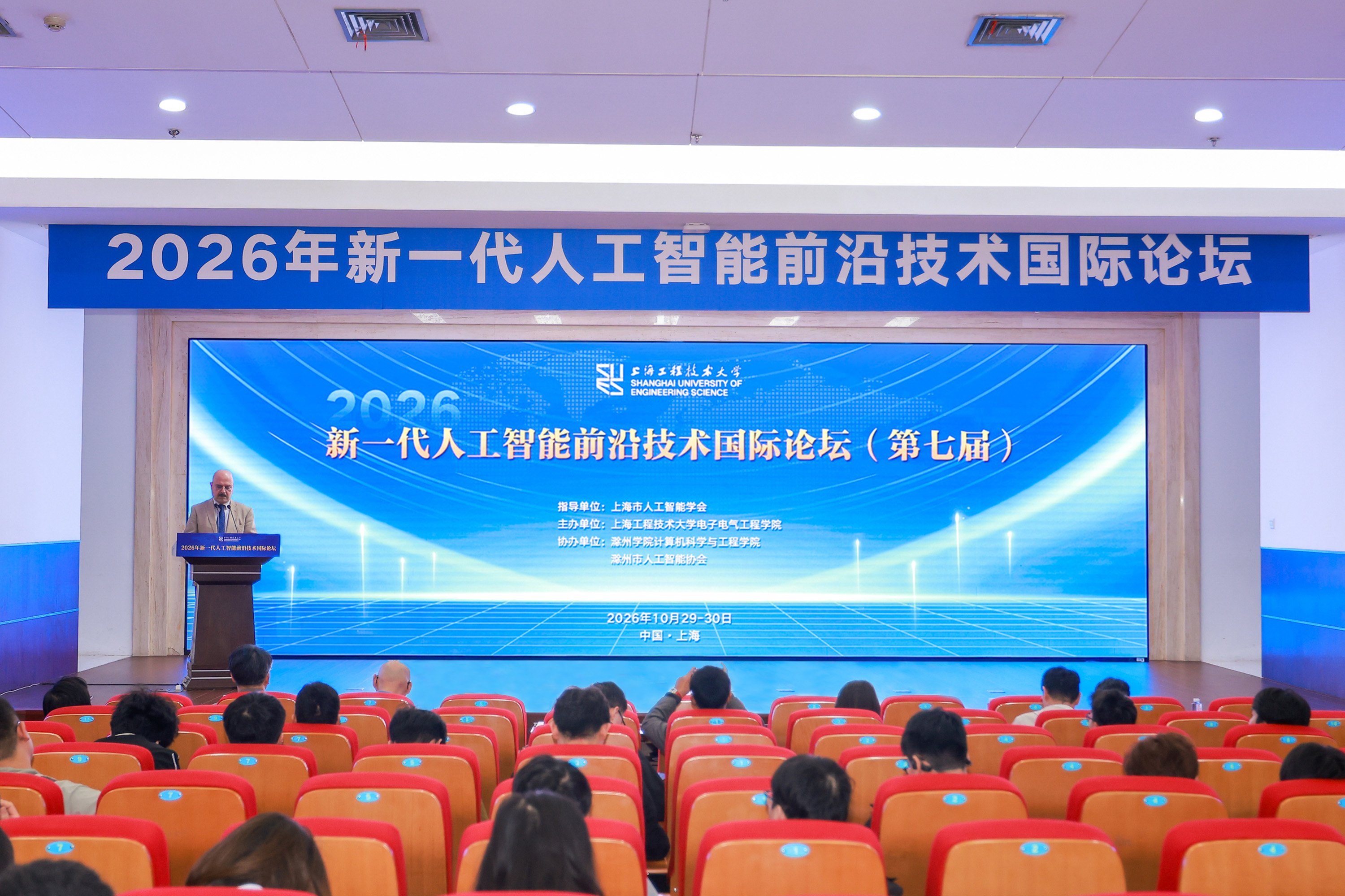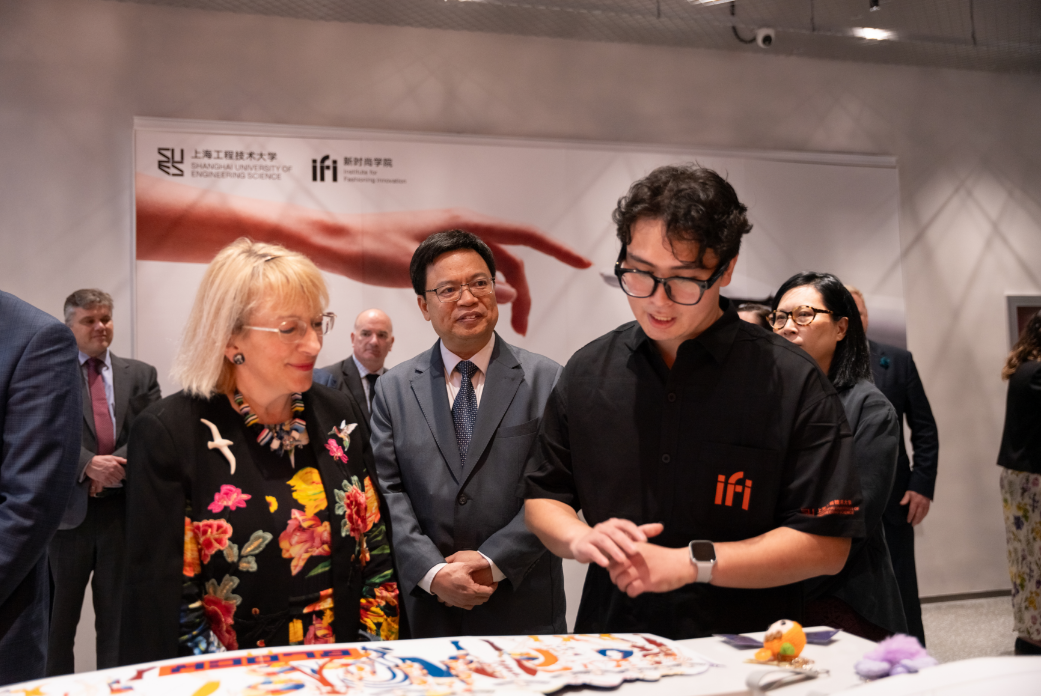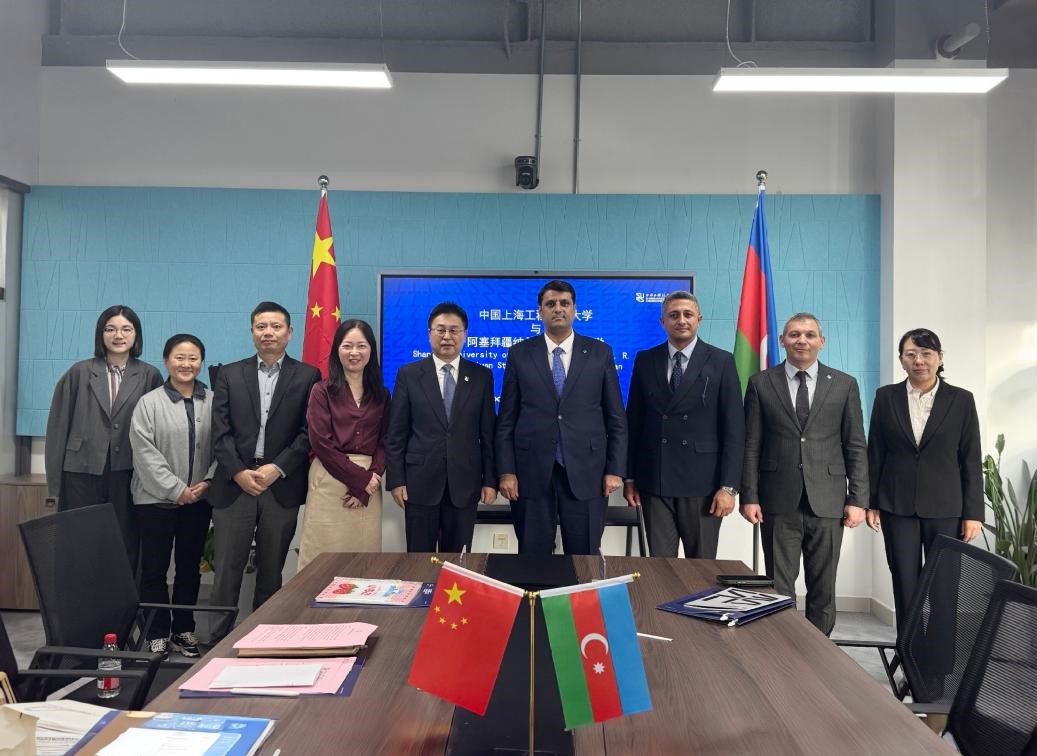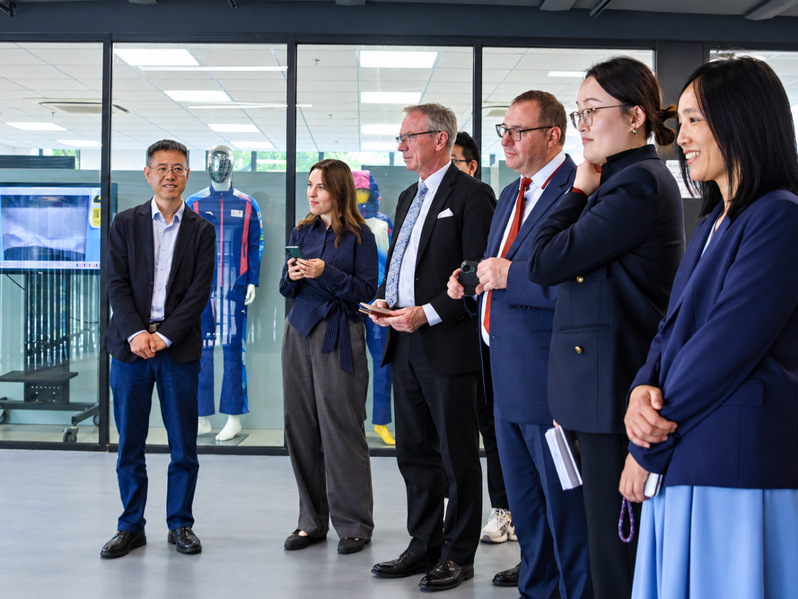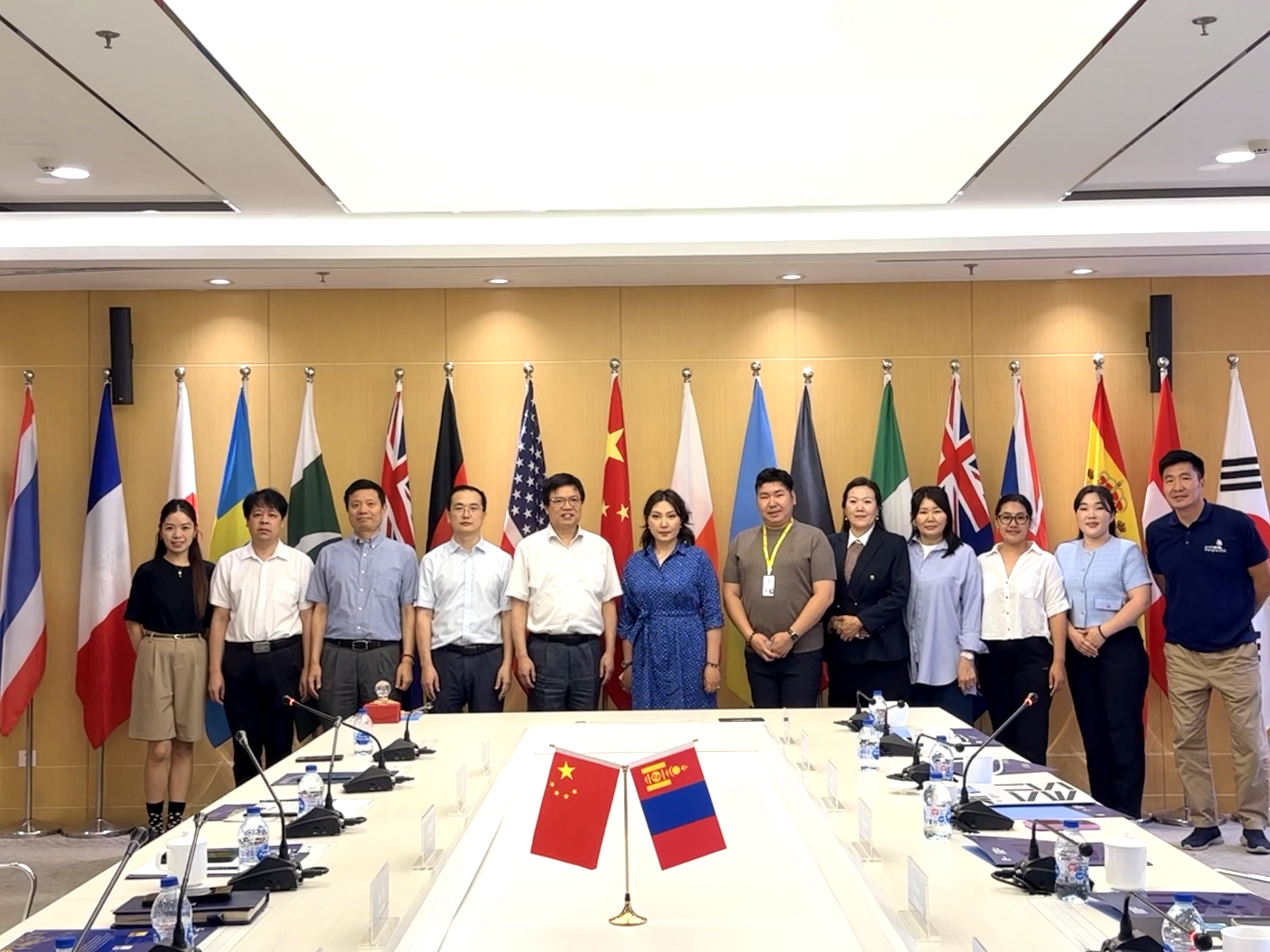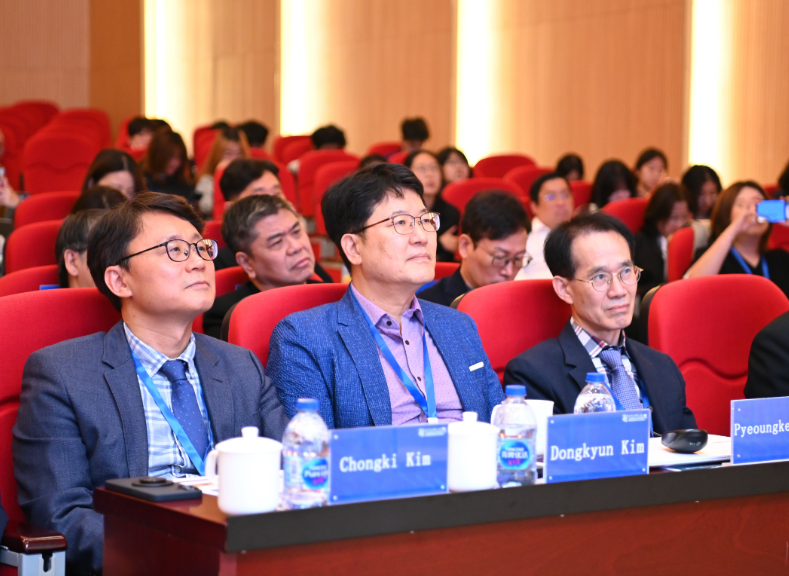
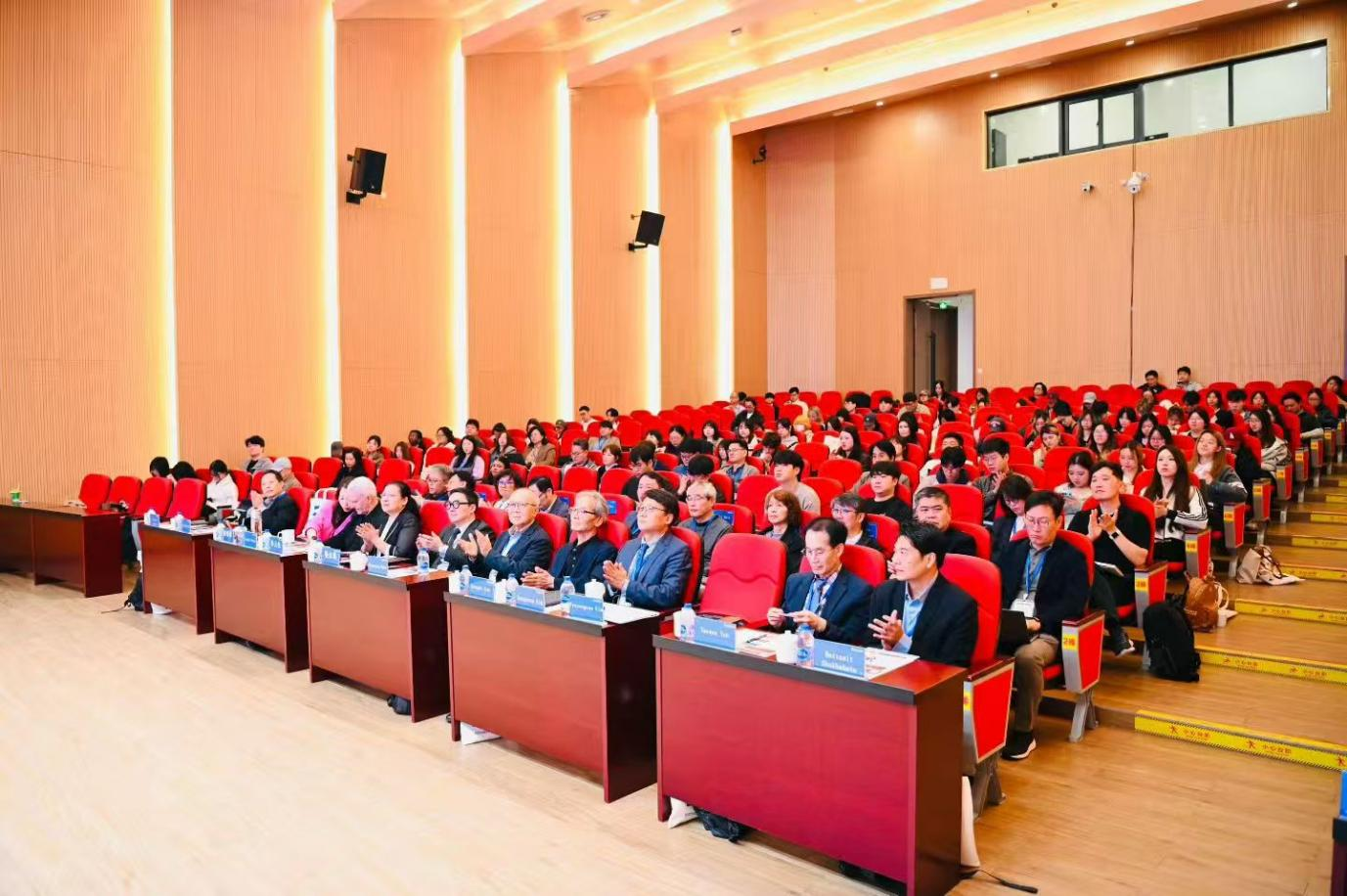
The International Conference on Culture Technology 2026 was held on Changning Campus of SUES from October 29 to 31. Under the theme Culture in the Age of Artificial Intelligence, the conference brought together 58 international participants from countries including South Korea, the United States, Japan, Thailand and Malaysia, as well as experts and scholars from universities, research institutions and industry enterprises in China and abroad. Lou Yongqi, President of SUES, attended the opening ceremony and delivered a speech. The conference was hosted by School of Design at SUES.
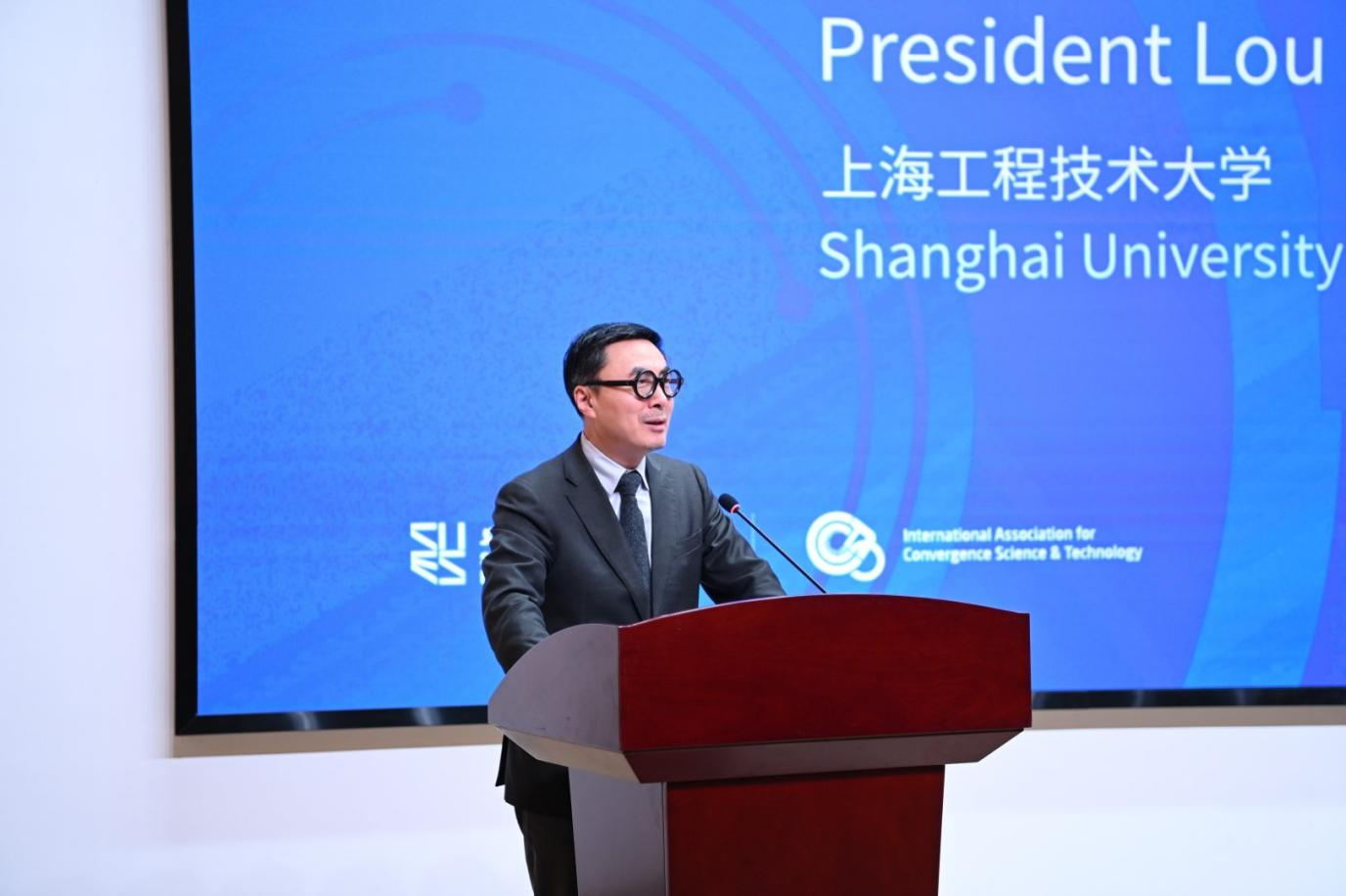
In his address, Lou Yongqi noted that artificial intelligence is transforming the ways people live, work and produce, as well as the economy and culture. However, good AI does not emerge automatically, nor should AI be allowed to determine the future of humanity. He emphasized that the more deeply AI becomes embedded in everyday life, the more important distinctly human qualities become, with common sense being foremost among them. Common sense comes from experience in the real world, whereas AI-based decisions and recommendations rely on algorithms and accumulated existing data. He also pointed out that culture is the sum of ways of life, and that what matters more is integrating technology into everyday life rather than treating it merely as a tool in the classroom. He expressed the hope that the conference would become more than a one-time event and evolve into a platform for sustained collaboration in joint research, educational exchange and cooperation for future generations.
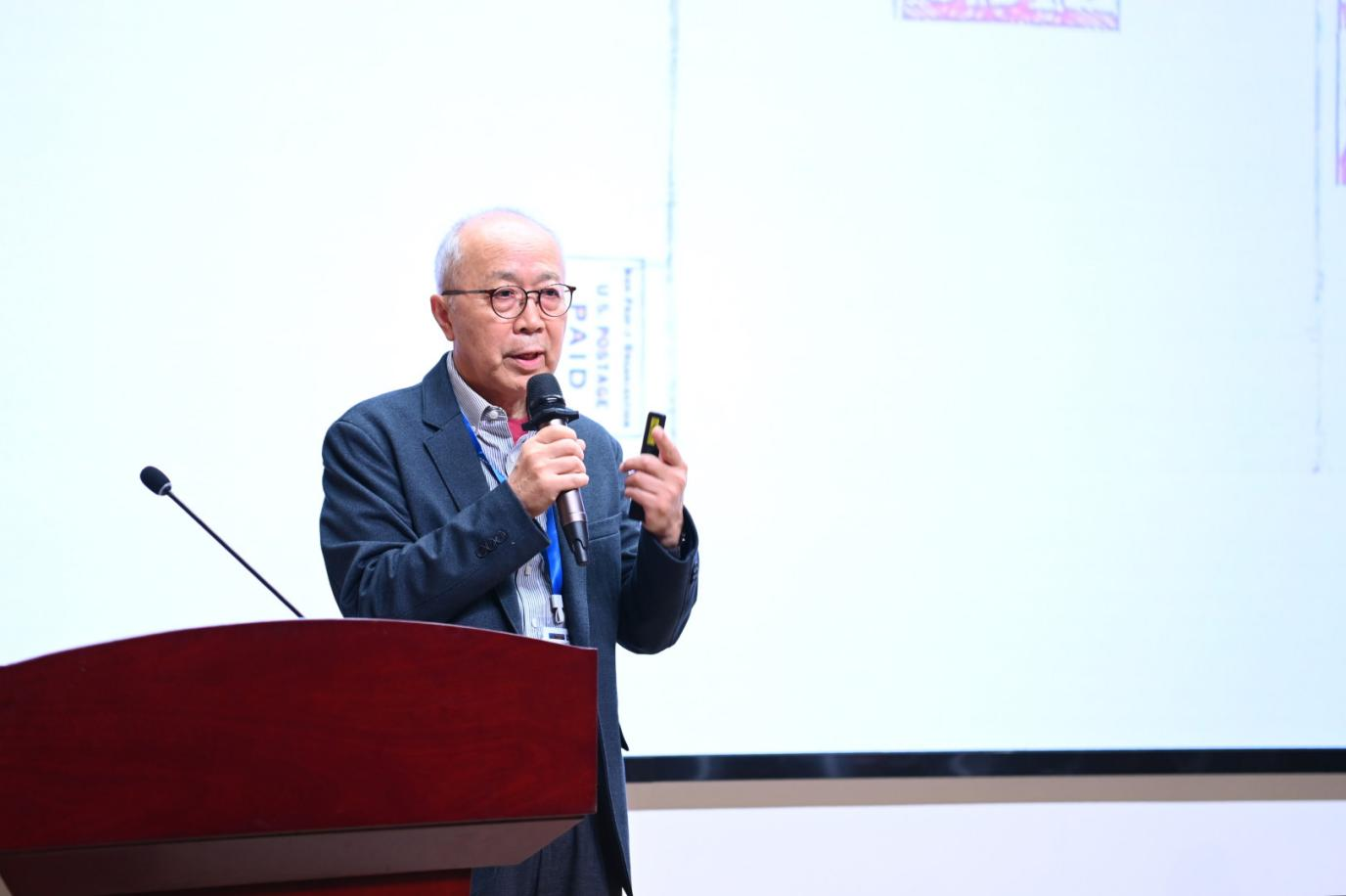
Kwangyun Wohn, Honorary Professor at the Korea Advanced Institute of Science and Technology (KAIST)
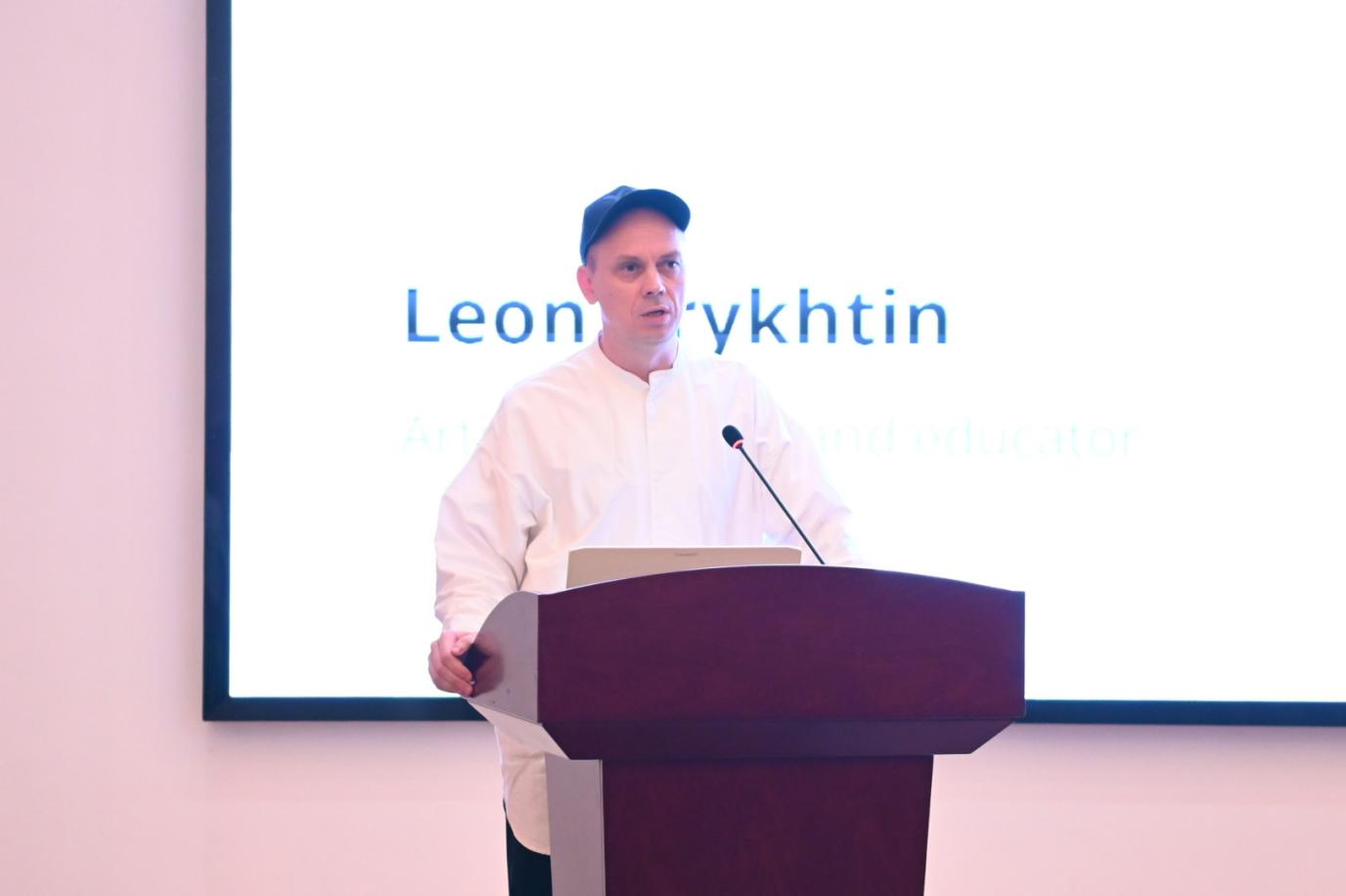
Leon Krykhtin, Head of the Undergraduate Program in Environmental and Spatial Design, School of Design, SUES
During the keynote session, Kwangyun Wohn, Honorary Professor at the Korea Advanced Institute of Science and Technology, delivered a presentation entitled Ten Open Challenges in AI × Culture, identifying ten open challenges that warrant further investigation at the intersection of artificial intelligence and culture. Leon Krykhtin, Head of the Undergraduate Program in Environmental and Spatial Design at School of Design, SUES, delivered a keynote speech entitled From Generating Images to Creating Experiences, exploring the shift in the value of cultural and creative practices in the age of artificial intelligence.
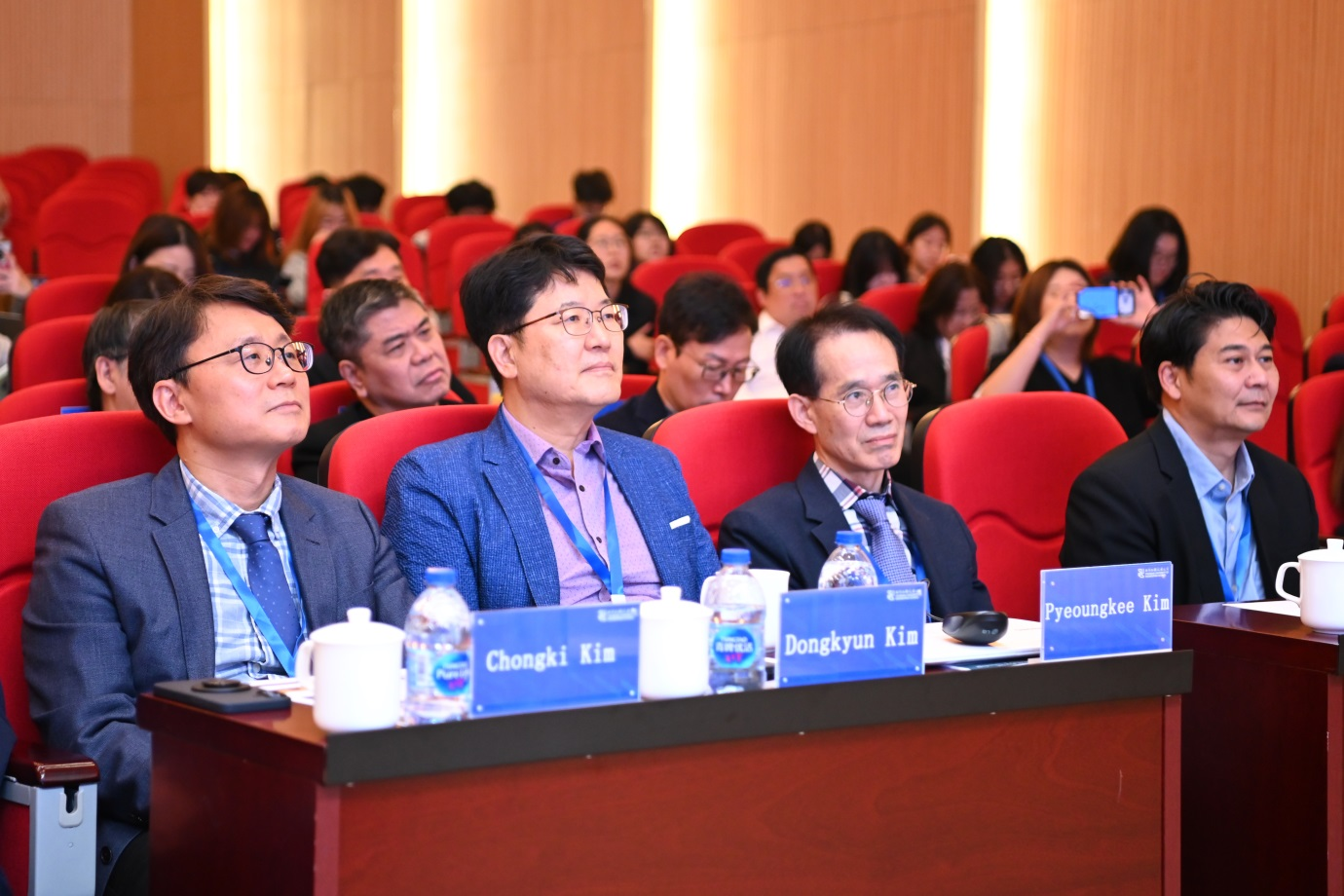
The conference featured 12 parallel oral presentation sessions. Scholars from institutions including Daegu University and Dongseo University in South Korea, the National Electronics and Computer Technology Center (NECTEC) and Kasetsart University in Thailand, and the Tokyo Polytechnic University in Japan presented 65 research papers and delivered two invited talks. Their presentations covered topics such as AI-driven visual storytelling and cultural expression, applications of AI in art and design and cultural heritage preservation, digital media and computational art, and the social impact of artificial intelligence.
Building on the academic network established through the conference, School of Design will continue to advance research and talent development at the intersection of artificial intelligence, culture and design, while actively promoting regular academic dialogue between SUES’ design disciplines and the international academic community.