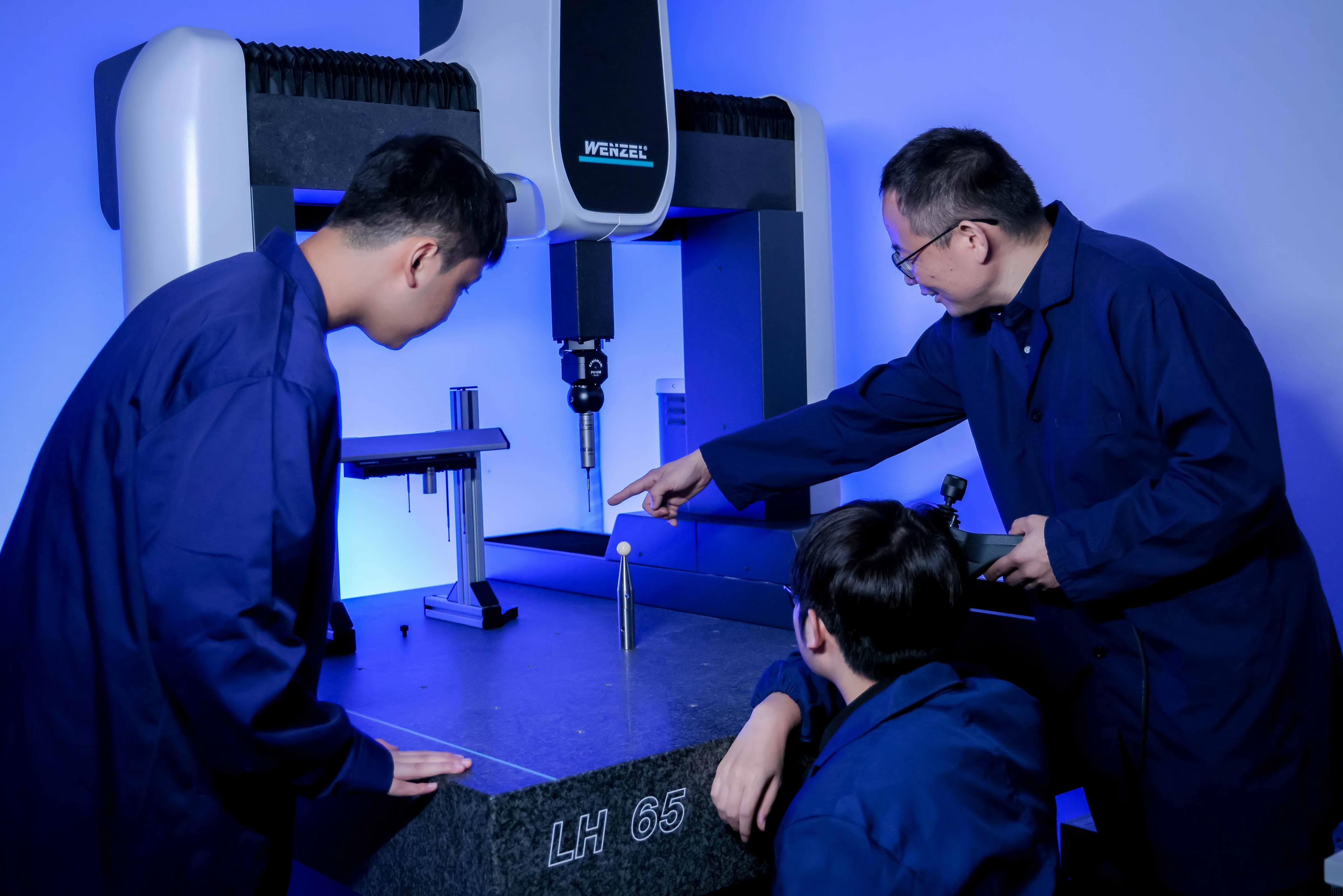
In response to the long-standing dependence of high-end acoustic imaging equipment in China on foreign products, Professor Hu Dingyu from School of Urban Railway Transportation at SUES, along with his acoustic detection technology team, has been deeply engaged in overcoming the challenges of acoustic imaging technology. Leveraging the Shanghai Metro Vibration and Noise Control Technology Engineering Research Center, the team has collaborated with enterprises to focus on domestic technology development. They have successfully developed multiple acoustic imaging products and achieved industrialization.

Team leader Hu Dingyu, who is a full Professor and a PhD supervisor, has long been engaged in theoretical and technical research on sound array signal processing, sound field separation and reconstruction in complex acoustic environments, as well as acoustic detection and diagnosis. He has led more than ten national, provincial, and enterprise-commissioned projects, receiving the second prize of 2019 Shanghai Natural Science Prizes, the second prize of 2025 China Transport Association Science and Technology Progress Prizes, and being selected for the Shanghai Oriental Talent Young Scholar Program.
Innovative Technology 1: Acoustic Field Compressive Sensing and Holographic Reconstruction Technology
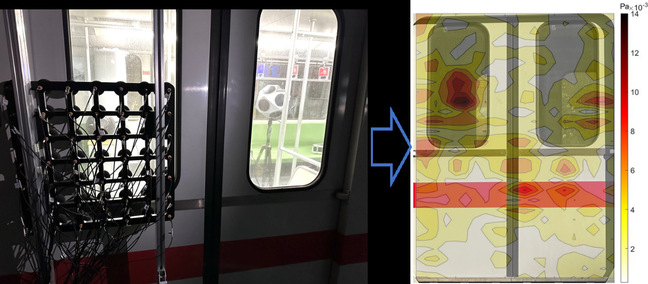
Based on the theory of compressive sensing, the team has developed the sparse measurement and holographic reconstruction theory for acoustic fields. They proposed a series of sparse reconstruction algorithms for acoustic fields, such as Bayesian compressive sensing reconstruction and weighted transfer matrix modal methods, which break through the limitations of the spatial sampling theorem required for acoustic field measurements and significantly reduce measurement costs.
Innovative Technology 2: High-Resolution 3D Acoustic Imaging Technology for Large Compartments
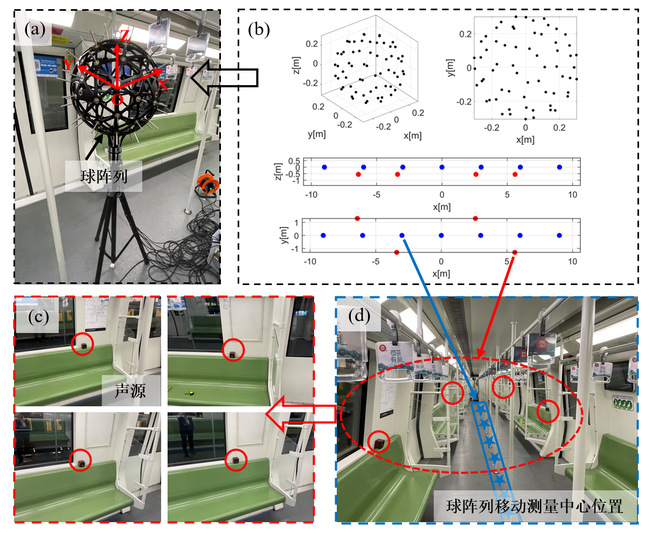
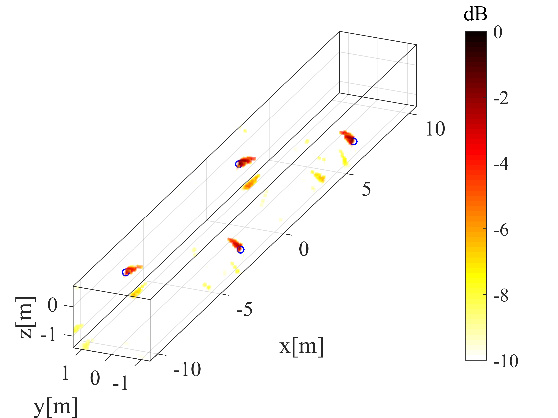
Given the large length-to-width ratio of rail vehicle cabins, the team developed a sparse model for in-cabin acoustic fields and proposed cross-spectral matrix completion and compressive sensing acoustic imaging algorithms. These innovations address the instability in the process of noise imaging reconstruction in vehicle cabins and overcome the resolution limitations of traditional acoustic imaging methods.
Innovative Technology 3: Vision-Assisted Through Noise Imaging Technology
The team introduced a real-time train speed estimation method based on machine vision and a train side-view fusion method, which effectively suppresses the Doppler effect on noise imaging under moving conditions. Additionally, they developed a parallel-computing-based through-noise time-domain deconvolution imaging algorithm that greatly enhances the imaging speed and noise source identification accuracy of train pass-by noise. The computational efficiency improved by over 400%.
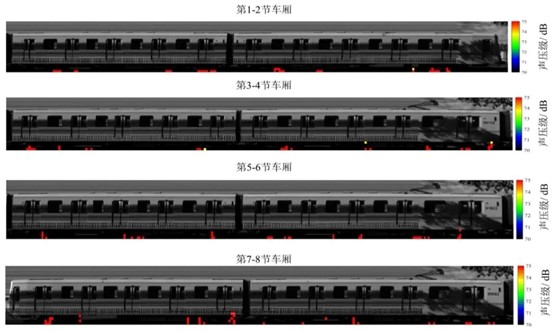
The team, in collaboration with Shanghai Guanghong Zhichuang Electronics Co., Ltd., developed a handheld acoustic imager capable of capturing weak acoustic signals associated with faults such as abnormal discharges and gas leaks. Using acoustic imaging technology, it can quickly and accurately locate fault points. The EA600 5G intelligent acoustic imager, through the integration of sound, light, and electricity, can perform multi-functional testing such as acoustic imaging, infrared thermography, AA ultrasound, and partial discharge detection. The VacuTracer series acoustic imagers, designed for gas leakage detection, lead in terms of testing small leakage amounts compared to domestic and international counterparts, making them more suitable for pipeline leakage detection and maintenance in both positive and negative pressure scenarios. These devices also have intrinsic safety explosion-proof certifications and are suitable for various chemical environments.
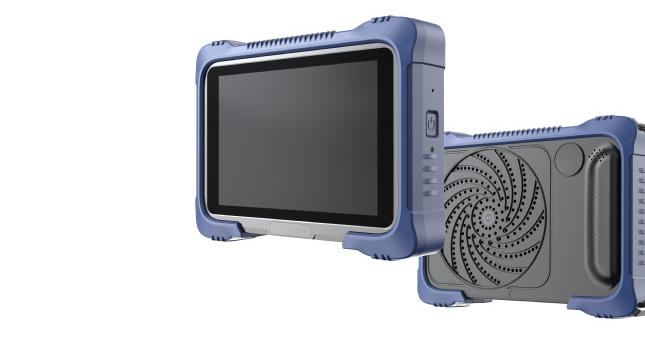
EA600 5G Intelligent Acoustic Imager
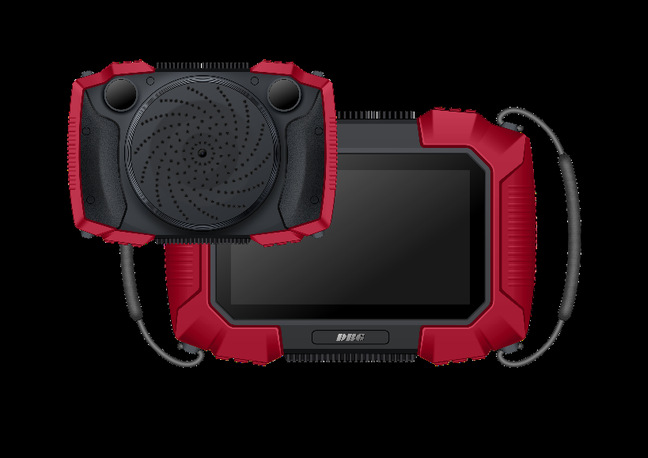
VacuTracer Series Acoustic Imagers
The team’s independently developed AcoustCAM acoustic imaging system integrates more than ten years of algorithm research, covering modules such as general 2D noise imaging, through noise imaging, and spherical array 3D spatial noise imaging. It is applicable to noise contribution analysis, fast noise source identification and localization, and abnormal sound source localization for various industrial equipment and transportation equipment.
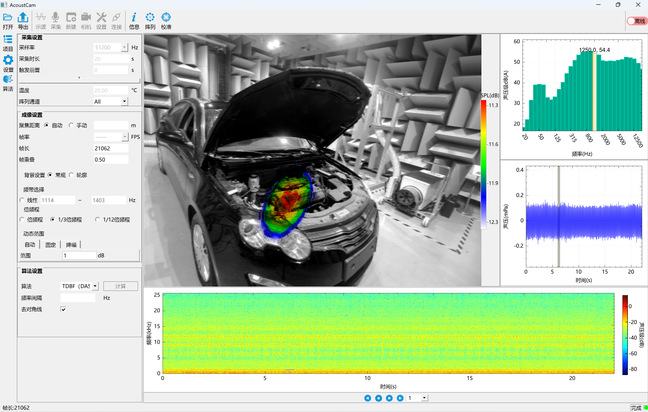
AcoustCAM System Interface
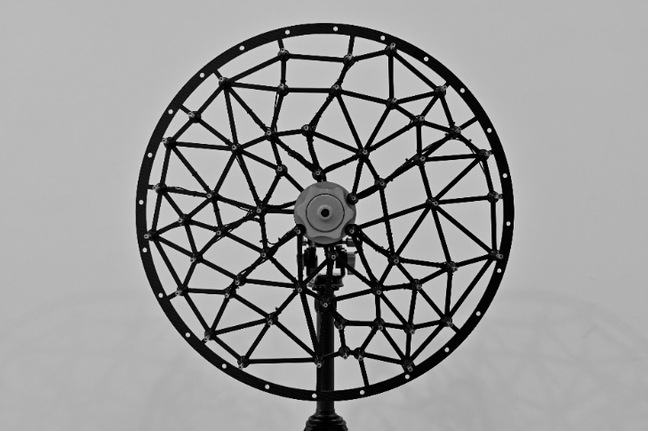
56-Channel Planar Random Array
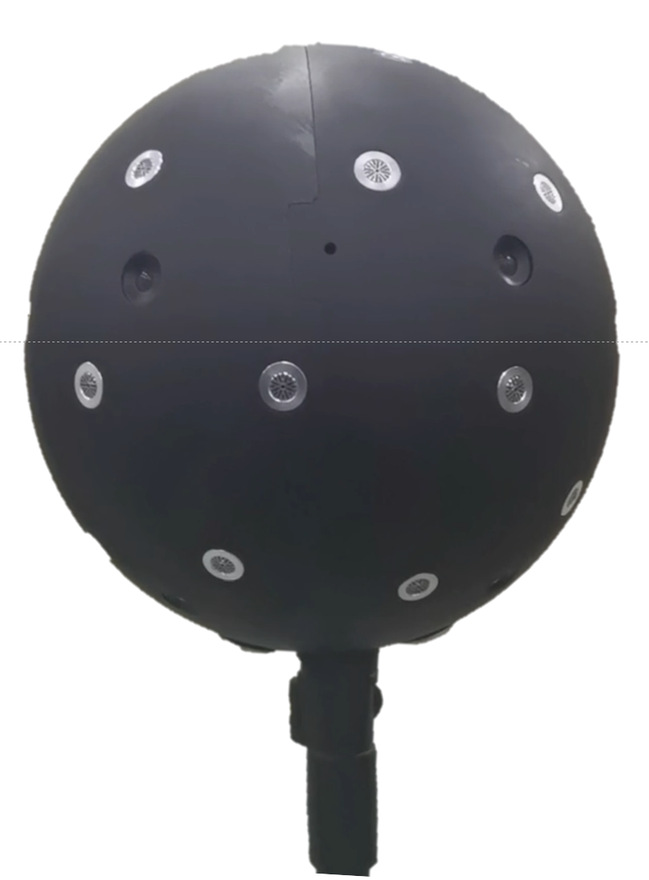
36-Channel Spherical Array