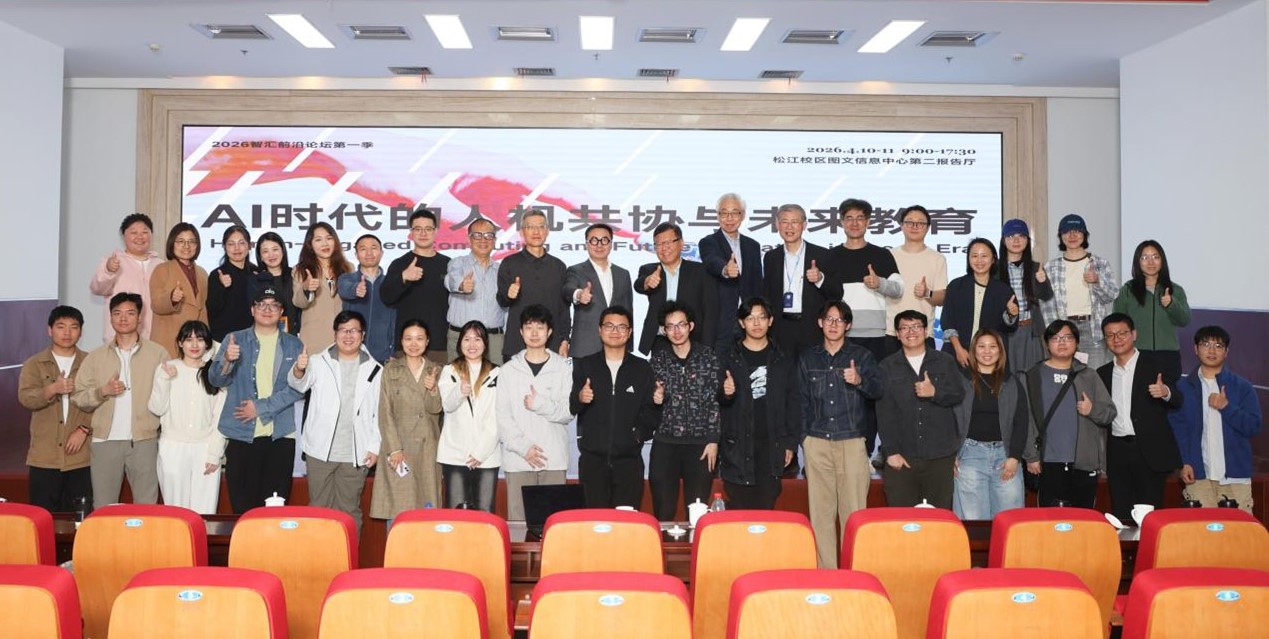
From April 10 to 11, “Intelligence Frontiers” SUES Innovation Symposium 2026 Series I was successfully held at SUES. The symposium was hosted by SUES and jointly organized by School of Design (in preparation), School of Mechanical and Automotive Engineering, and School of Electronic and Electrical Engineering. Centered on the theme “Human-Engaged Computing and Future Education in the AI Era”, the forum brought together academicians, leading scholars, and industry experts from China and abroad. Participants engaged in in-depth discussions on Human-Engaged Computing innovation, interdisciplinary integration, and the transformation of future education, injecting new momentum into the advancement of intelligent technologies and higher education innovation.

In his closing remarks, SUES President Yongqi Lou emphasized that AI technologies are profoundly reshaping paradigms of knowledge production, technological innovation, and talent cultivation. Promoting human-engaged computing, deepening interdisciplinary integration, and building a future-oriented educational ecosystem are essential missions for universities serving the national innovation-driven development strategy. He noted that SUES will take this symposium as an opportunity to continue building high-level academic exchange platforms, fostering deep integration of intelligent technologies, engineering innovation, and design education, and advancing the cultivation of high-quality innovative talent and high-level research breakthroughs.
During the symposium, five distinguished keynote speeches were delivered by prominent scholars from home and abroad.
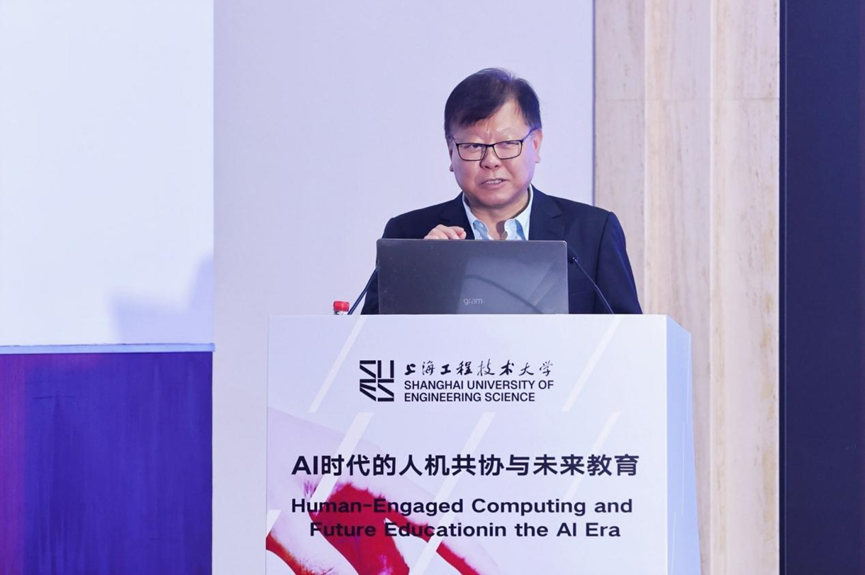
Professor Jin Jiang, Fellow of the Royal Society of Canada and Professor at Western University, delivered a keynote titled “The Limit of AI is Computing Power. The Limit of Computing Power is Electricity. The Limit of Electricity is the Energy System”. He provided profound insights into the underlying logic of AI development and pathways toward sustainable advancement.
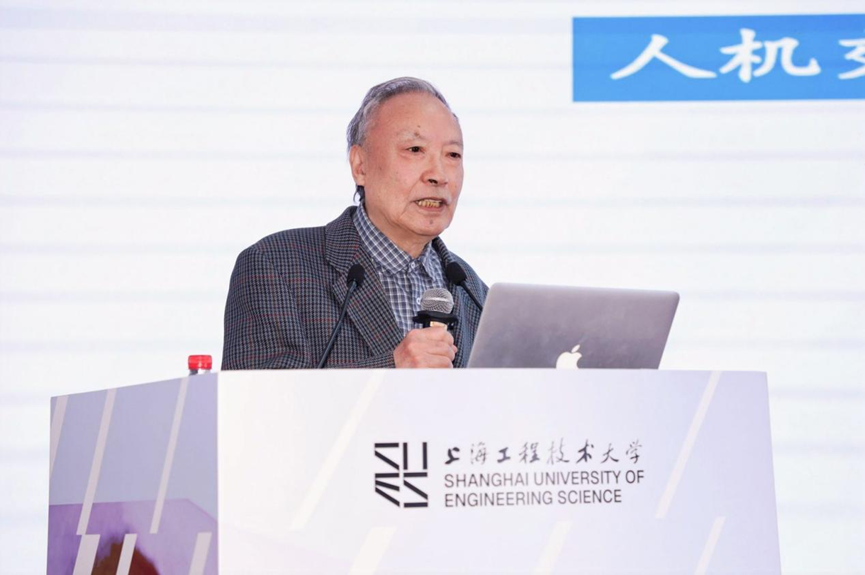
Dai Guozhong, Chief Researcher at the Institute of Software, Chinese Academy of Sciences, presented “Human-Computer Interaction Paradigms and Multi-Channel User Interfaces”, systematically reviewing the evolution of human-computer interaction and outlining emerging trends in multimodal interaction.
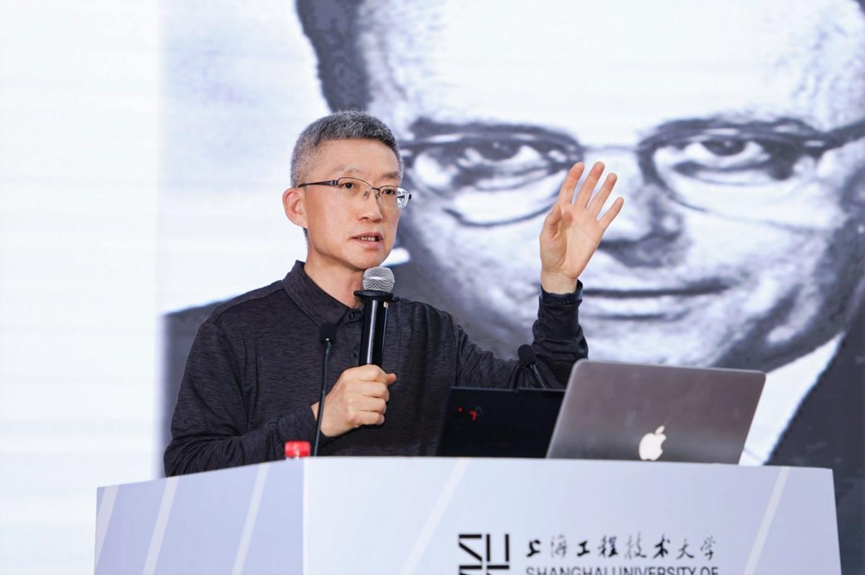
Professor Ren Xiangshi, Fellow of the Engineering Academy of Japan and Professor at Kochi University of Technology, spoke on “Variables and Constants in the AI Era - From the perspective of Human-Engaged Computing (HEC), he analyzed what should change—and what must remain constant—in education amid rapid technological transformation.
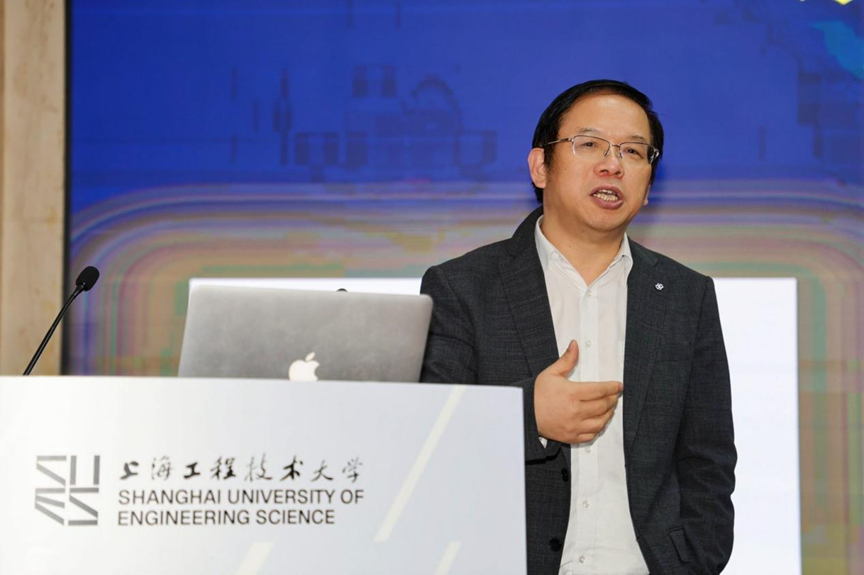
Dr. Chen Guisheng from Tsinghua University delivered a keynote on “The Origin, Development, and Progress of Cognitive Physics”, opening new horizons for interdisciplinary research.
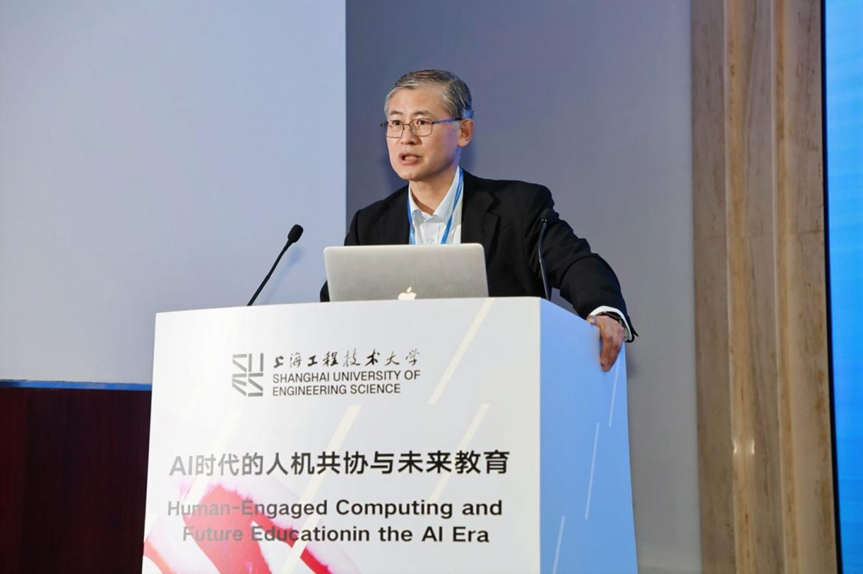
Professor Cheng Zixue, Distinguished Chair Professor at SUES and Emeritus Professor and former Vice President of the University of Aizu, proposed “A Smart Synergetic Network for the Integration of Research, Teaching, and Learning”, offering a systematic framework for the digital transformation of future education.
The symposium also featured six invited presentations exploring innovative applications of human-engaged computing across diverse frontier fields, including intelligent society, VR cognition, autonomous vehicles, healthcare, fluid mechanics, and brain–computer interfaces.
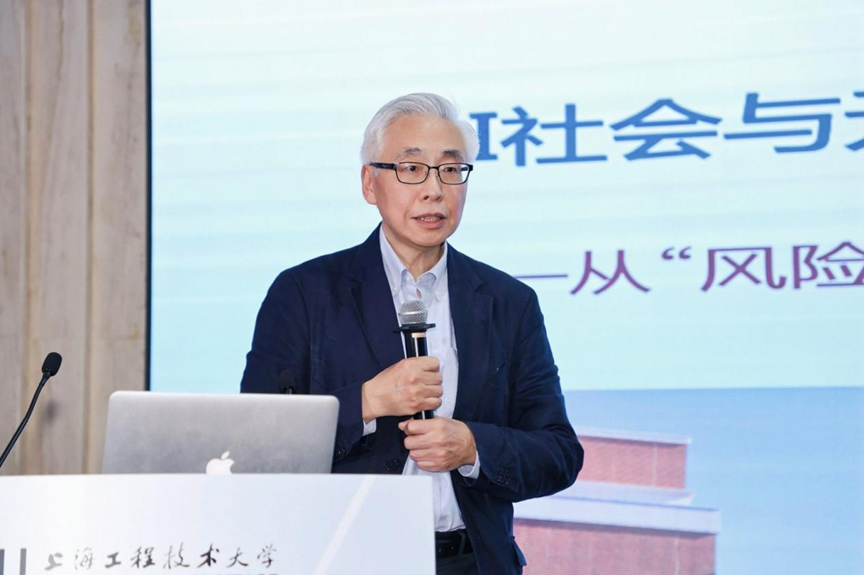
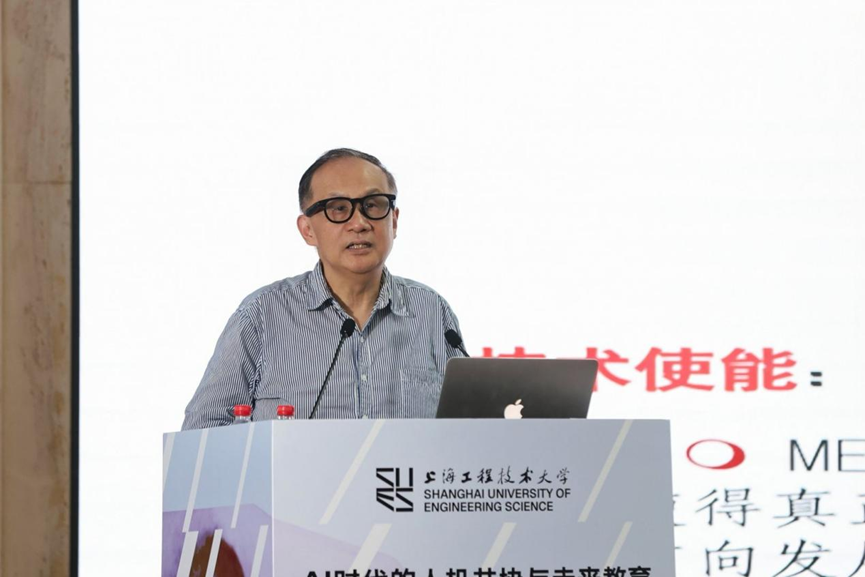
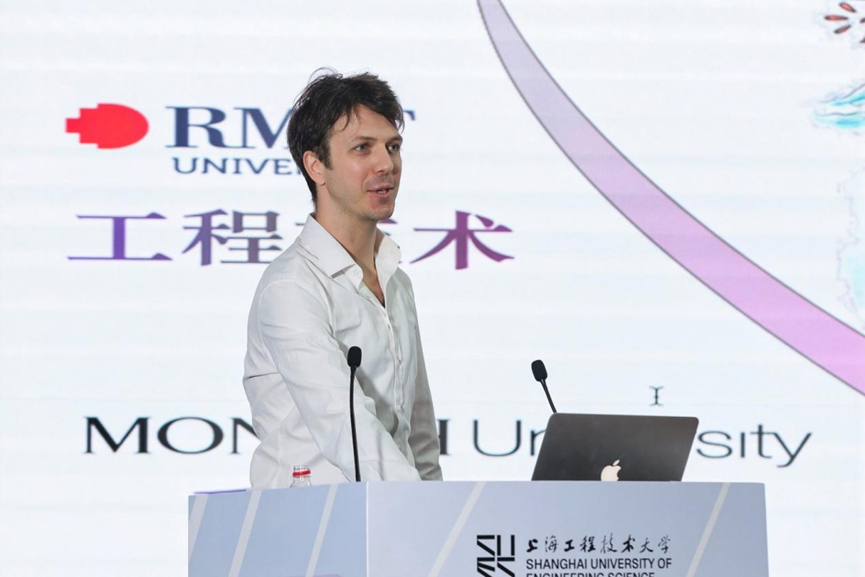
Professor Liu Di from Kyorin University discussed the potential of Universal Basic Income (UBI) in an AI-driven society. Professor Chen Dongyi shared the latest research findings on the intersection of virtual reality and emotional cognition. International senior yoga instructor Sean Read examined how traditional culture and meditation can work in harmony with technology to reshape modern life quality in the AI era.
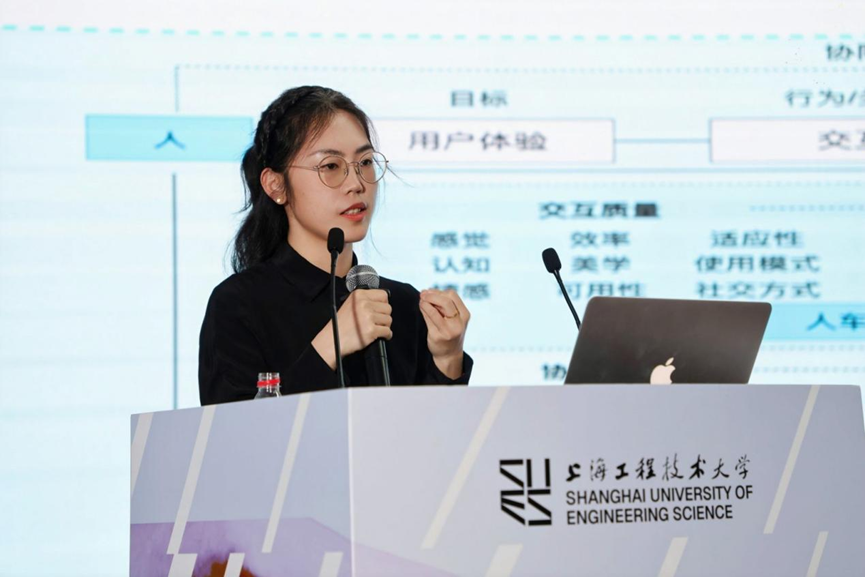
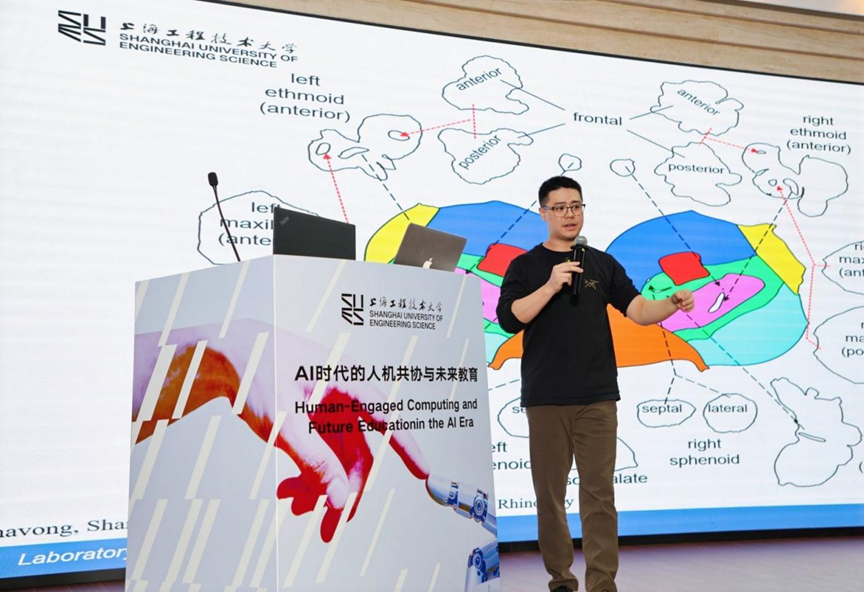
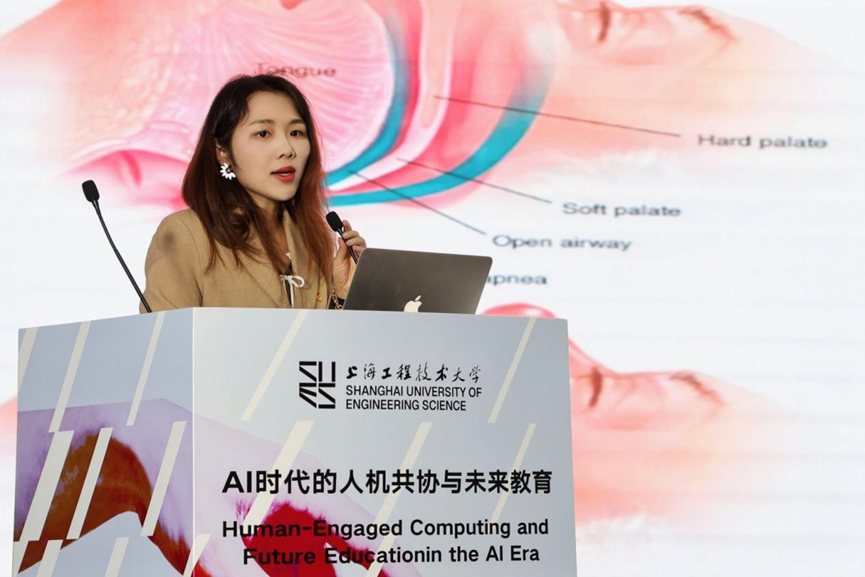
Associate Professor Li Jinglu from SUES introduced proactive interaction design in autonomous vehicle systems and educational contexts. Associate Professor Shang Yidan explored interdisciplinary prospects between respiratory multiphase flow research and brain–computer interface technologies. Associate Professor Qiu Xihe proposed new pathways for intelligent human-machine collaboration in sleep healthcare.
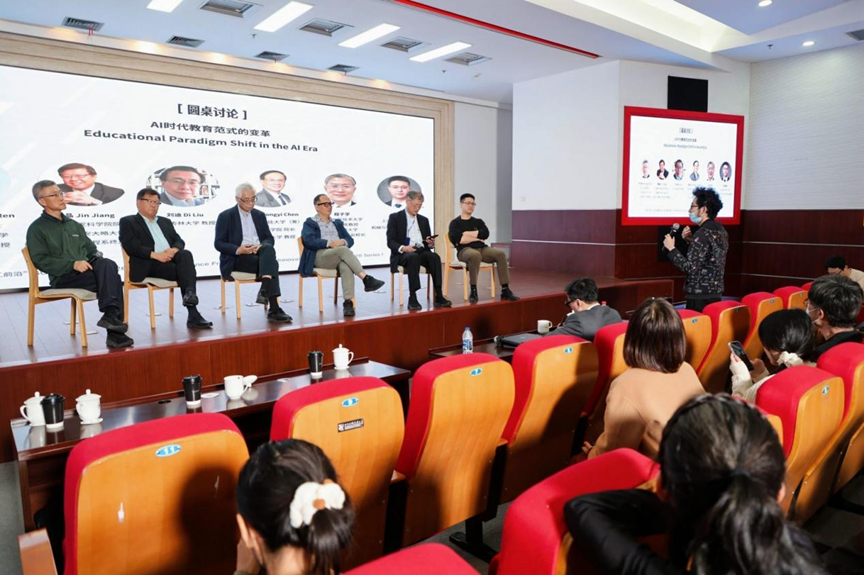
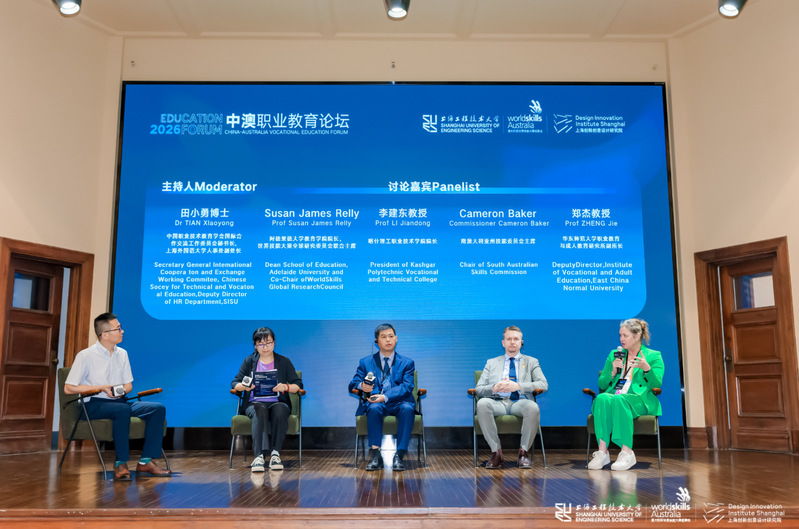
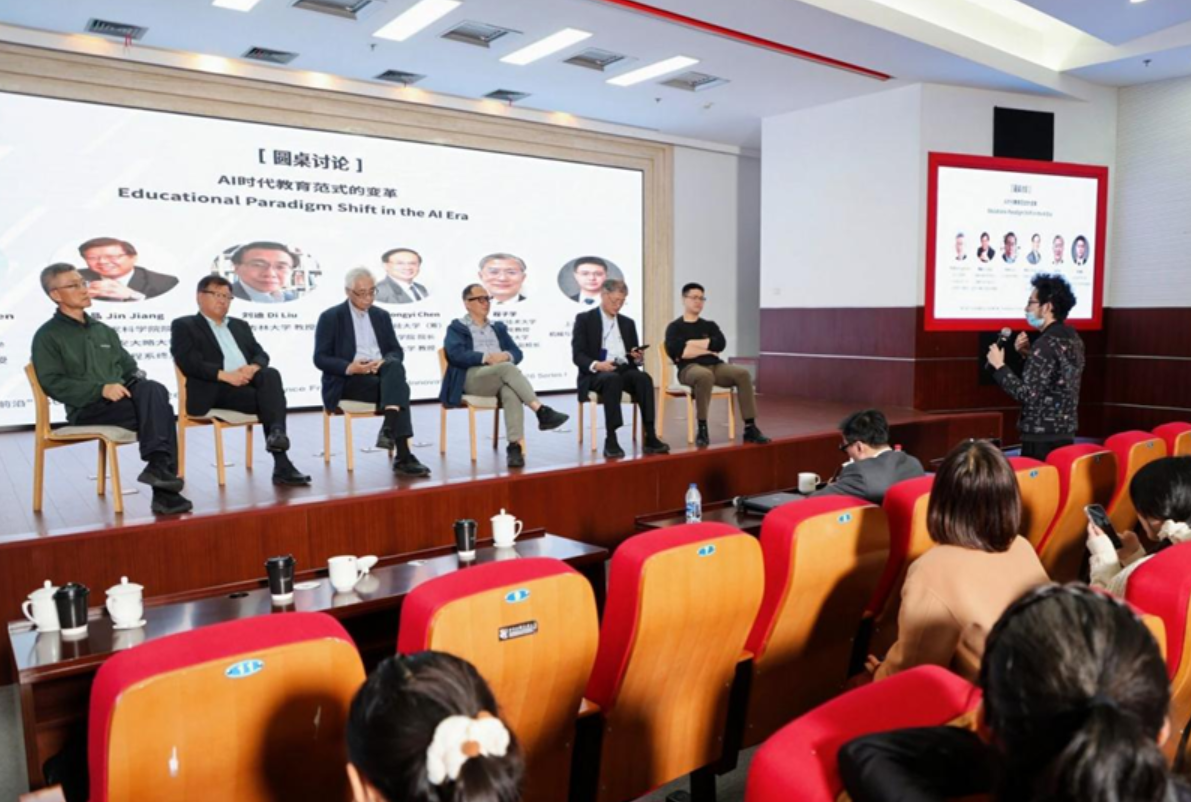
During the roundtable session themed “Educational Paradigm Shift in the AI Era”, experts engaged in in-depth dialogue on key issues such as AI-enhanced teaching reform, interdisciplinary talent cultivation, and the construction of innovation ecosystems. The discussion generated valuable insights and strategic recommendations for higher education institutions responding to the challenges and opportunities brought by AI.
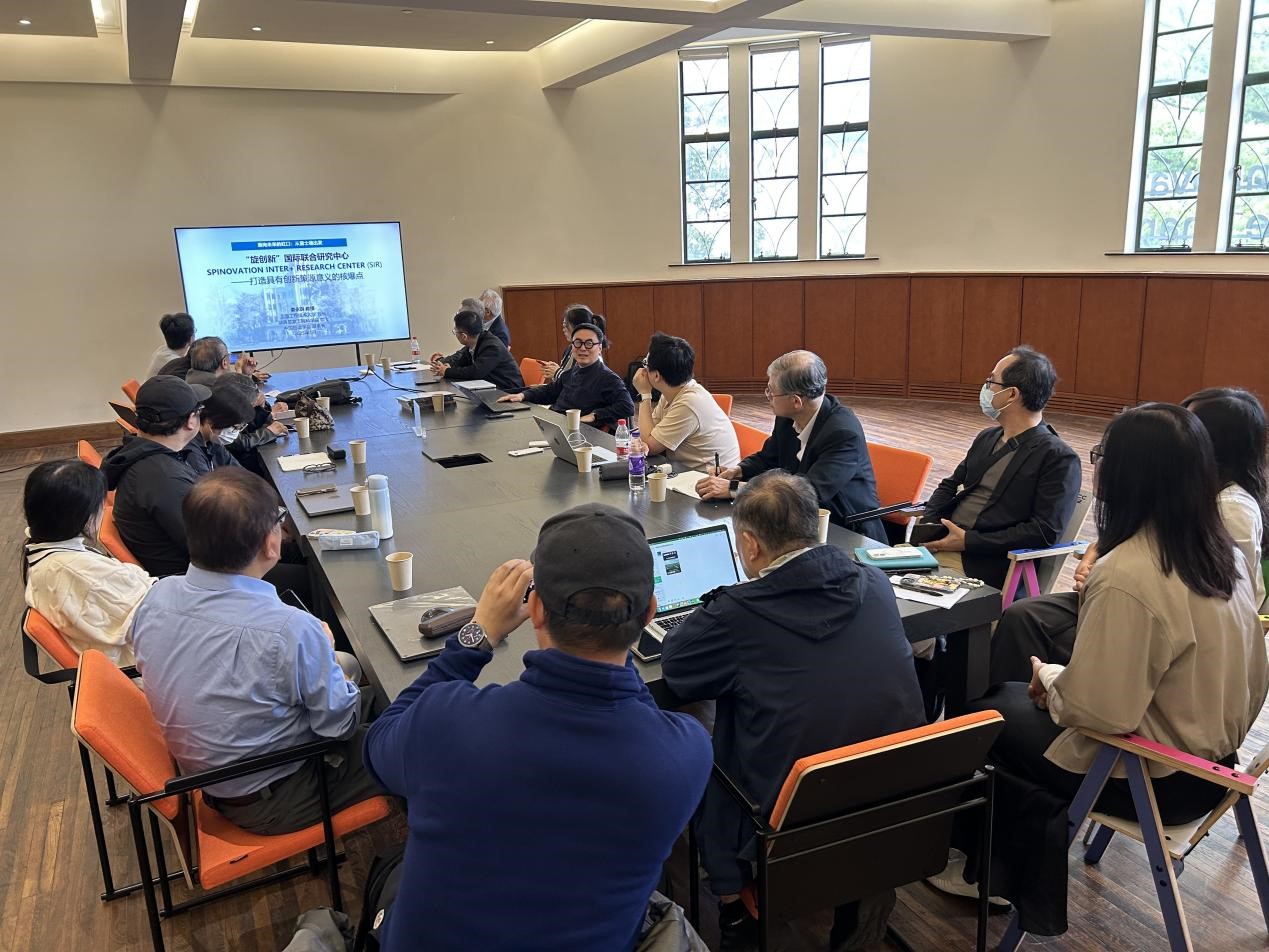
On April 11, a closed-door workshop for young scholars in the field of human-engaged computing was held at the former site of the Lester School of Engineering. Discussions focused on early-career development, emerging research directions, and industry-academia collaboration, providing a high-quality platform for intellectual exchange and collaborative advancement, and fostering the growth of future innovation leaders.
SUES will continue to strengthen the “Intelligence Frontiers” academic forum brand, deepen domestic and international academic collaboration, promote interdisciplinary integration and educational innovation, and contribute greater strength to cultivating high-quality innovative talent adapted to the AI era and supporting national and regional scientific and technological development.